


Trauma can happen at any stage of life. According to statistics, 14% to 43% of boys and 15% to 43% of girls have experienced at least one trauma. A significant percentage of these numbers subsequently develop teen post-traumatic stress disorder. Trauma does not always come from a single major event. Emotional neglect, long-term stress, or bullying can also …
More-

Costs of Residential Treatment for Teen Boys: What Parents Can Expect and How to Prepare
When families reach out to us at Nexus Teen Academy, a question we often hear is simple: “What is the cost of residential treatment?” We understand that choosing residential treatment for a teen boy is rarely about money alone. It’s about doing whatever it takes to help your son regain balance, confidence, and calm. Still, every parent deserves clear, …
More -

Does Insurance Cover Residential Treatment for Teen Boys with Depression?
When a teenage boy faces depression, it can affect every part of his life, including school, friendships, and even family connections. For many parents, the idea of residential treatment brings both relief and concern. Relief, because round-the-clock support offers real hope for healing. Concern, because few parents know if their insurance coverage will help. The …
More -

Father-Teen Son Conflicts: What to Do and How to Help Rebuild Connection
Father–teen son conflicts happen in almost every home at some point. It’s part of growing up, not a sign that you’ve failed. When boys reach their teen years, they start testing ideas, pushing limits, and trying to find their own ground. That push for freedom can feel like distance, even disrespect, but it’s usually just the …
More -
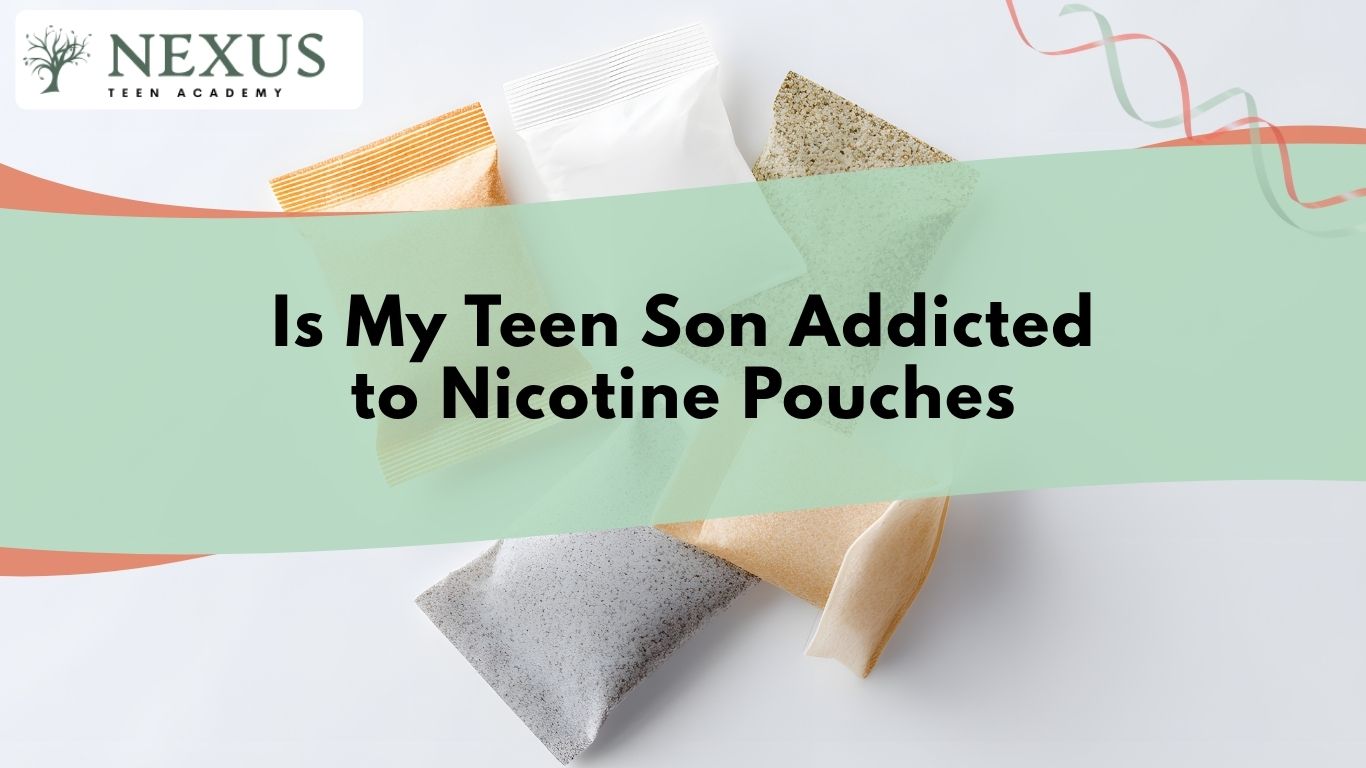
Is My Teen Son Addicted to Nicotine Pouches?
Nicotine abuse among teenagers has grown in new and concerning ways. In previous times, parents were concerned about vaping and smoking. However, there are now concerns about nicotine pouches. Per the 2024 National Youth Tobacco Survey (NYTS) on youth tobacco use in the Morbidity and Mortality Weekly Report, nicotine pouches (1.8%) are the second most used …
More