Teen Mental Health Treatment in Arizona

Top-Rated Teen Residential Treatment Center Near Mishongnovi, AZ

Licensed & Accredited By

Verified by Psychology Today
Joint Commission National Quality Approval
Care Solace Verified Provider
LegitScript Certified
Licensed by Arizona Department of Health Services
Nexus Teen Academy's Teen Mental Health Arizona

Compassionate Residential Treatment for Mishongnovi Teens

Mishongnovi is one of the historic Hopi villages of Second Mesa in Navajo County, perched near the landmark of Corn Rock alongside its sister village of Sipaulovi, with Shungopavi across the mesa and Polacca and First Mesa a short drive east on State Route 264. State Route 87 meets the mesa here before running south toward Winslow. It is a community of deep continuity, and Nexus Teen Academy offers its families a respectful, reachable option when a teen needs intensive help.

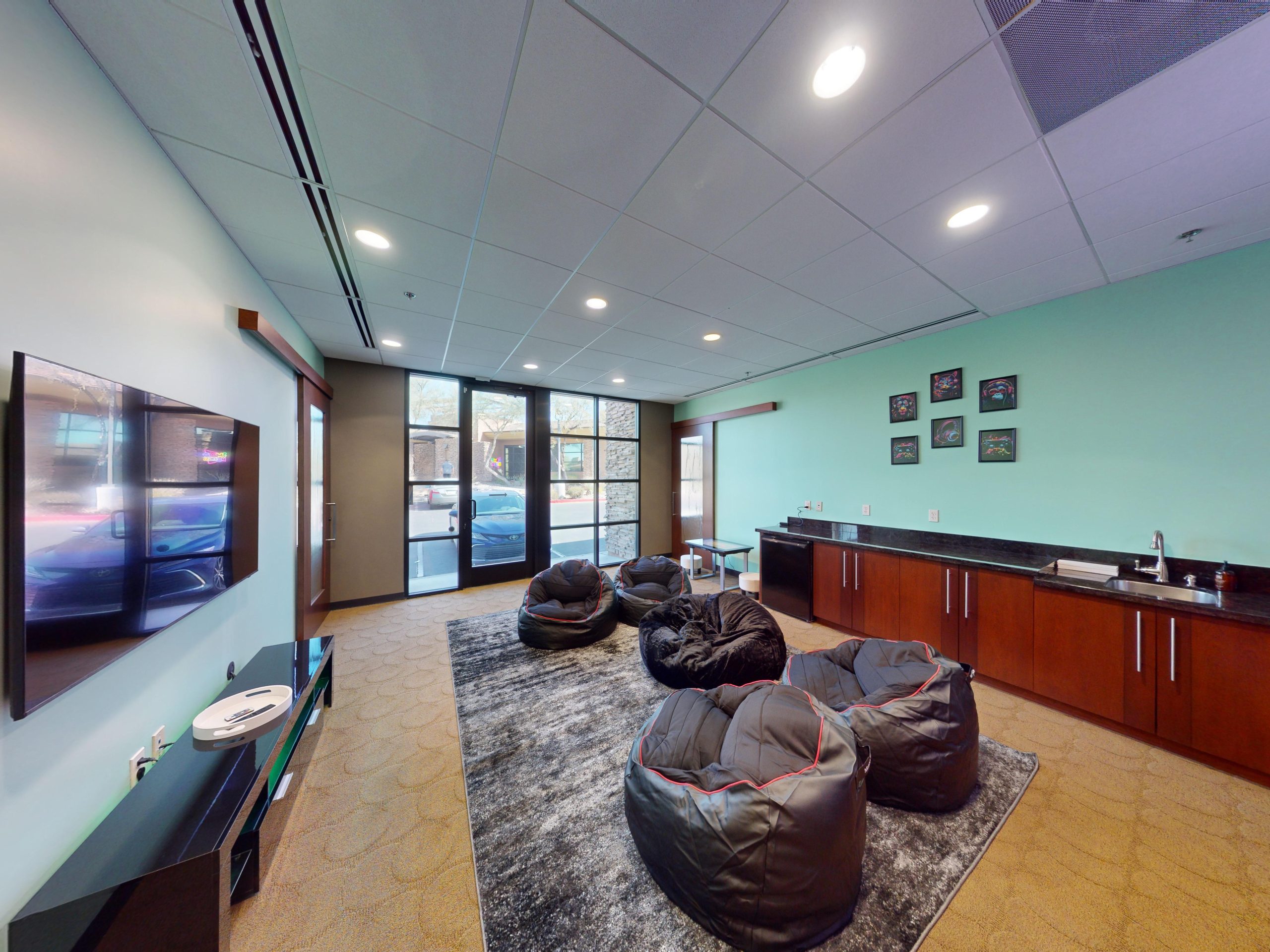
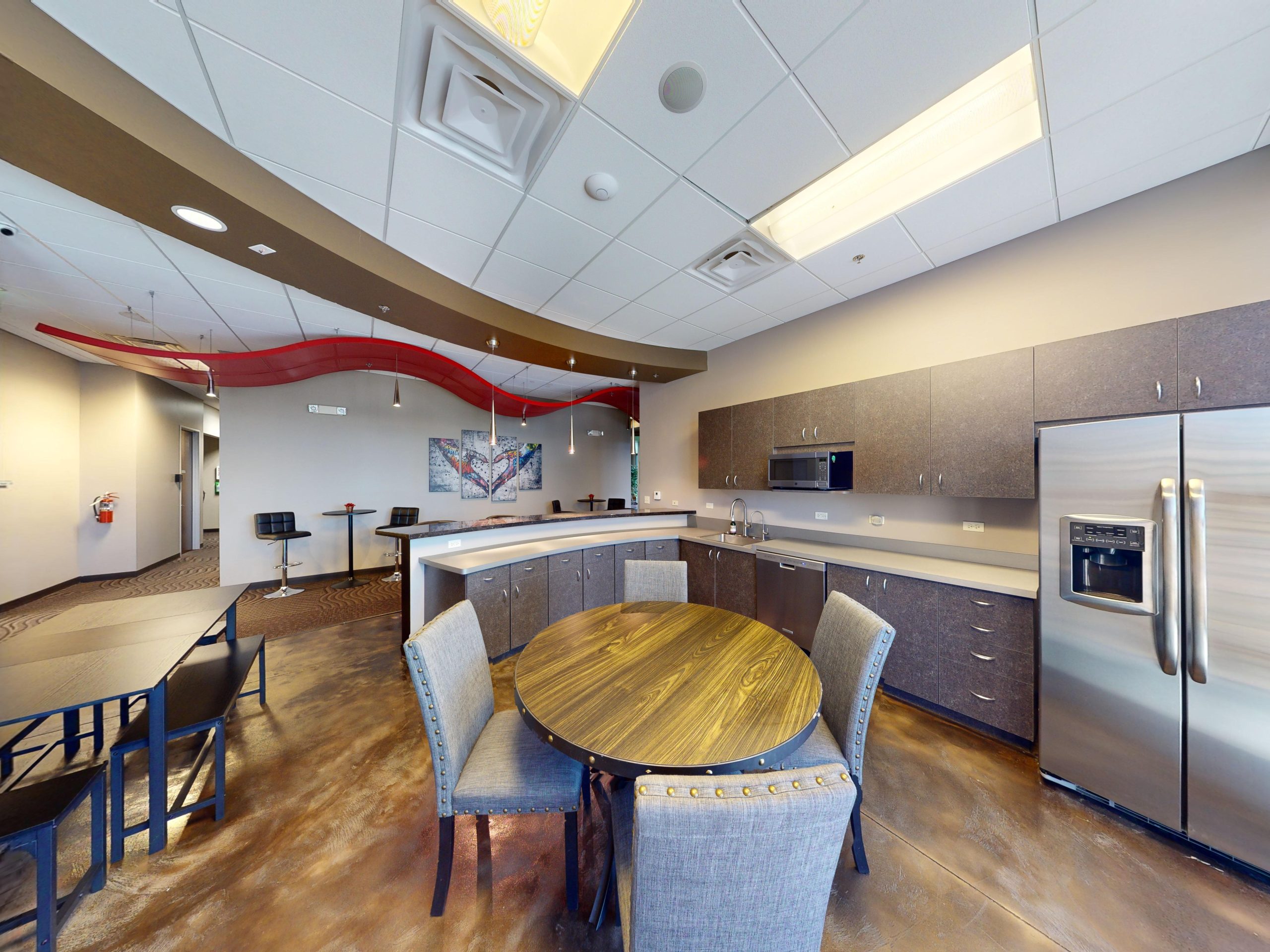
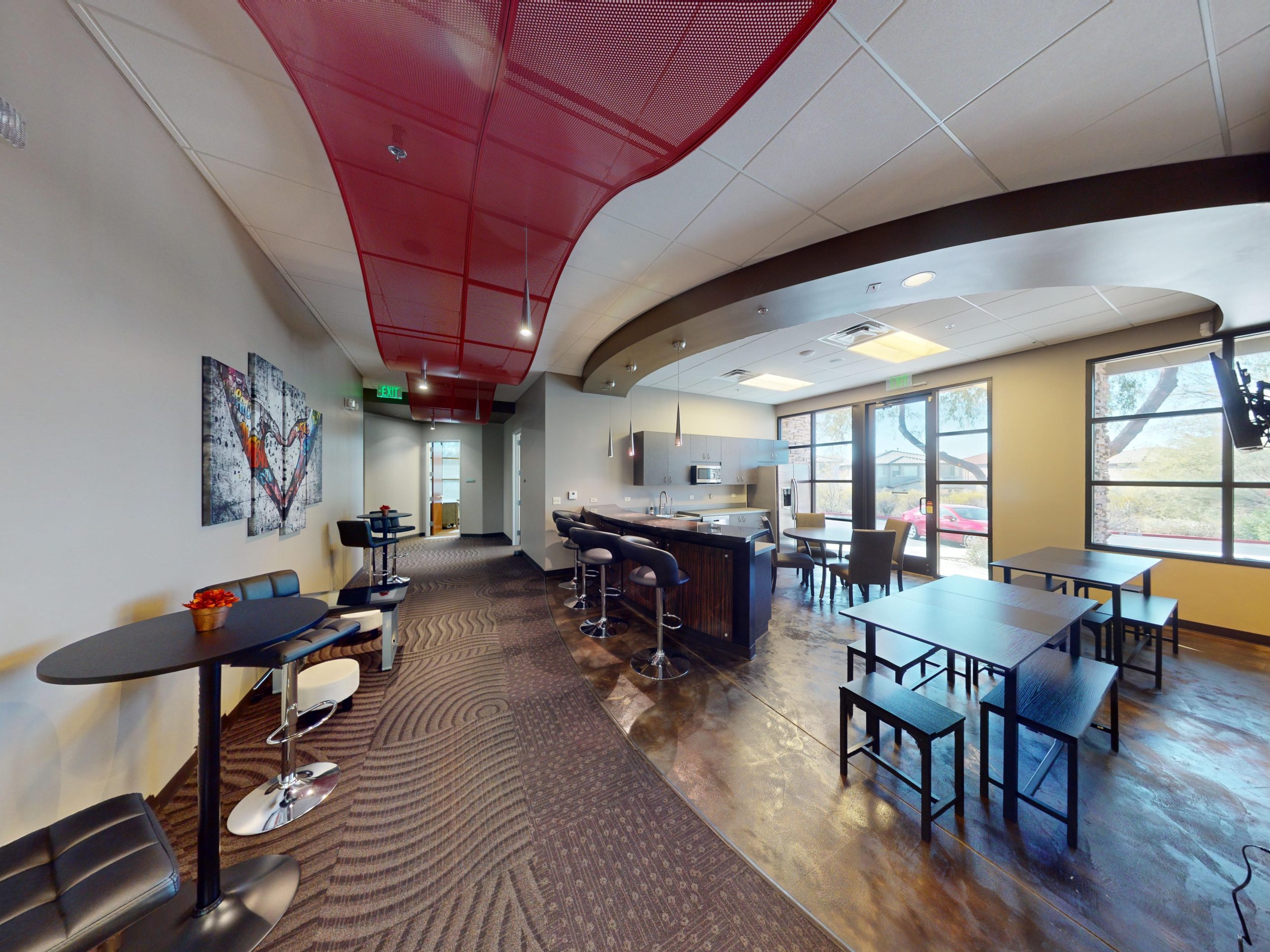
Our residential program cares for adolescents ages 13 to 17 in a supervised, home-like setting. Away from daily triggers, teens find a steady rhythm: licensed therapy every day, school with our on-site teacher, recreation, good meals, and rest. Most stays run between 30 and 60 days.

We treat teens as whole people. Substance use almost always overlaps with a mental health condition such as depression, anxiety, or trauma, so our dual-diagnosis approach addresses both together, with care that respects each teen’s culture and identity.

A teen who has drifted from family, school, and the things that once mattered to them may be showing signs of a deeper struggle. Long before discharge, we begin shaping the aftercare plan that will support your teen’s return to Mishongnovi and Second Mesa.

Verify Your Insurance

Beacon insurance logo
Aetna logo
Cigna logo
Geha logo

Get Your Teen the Help They Need

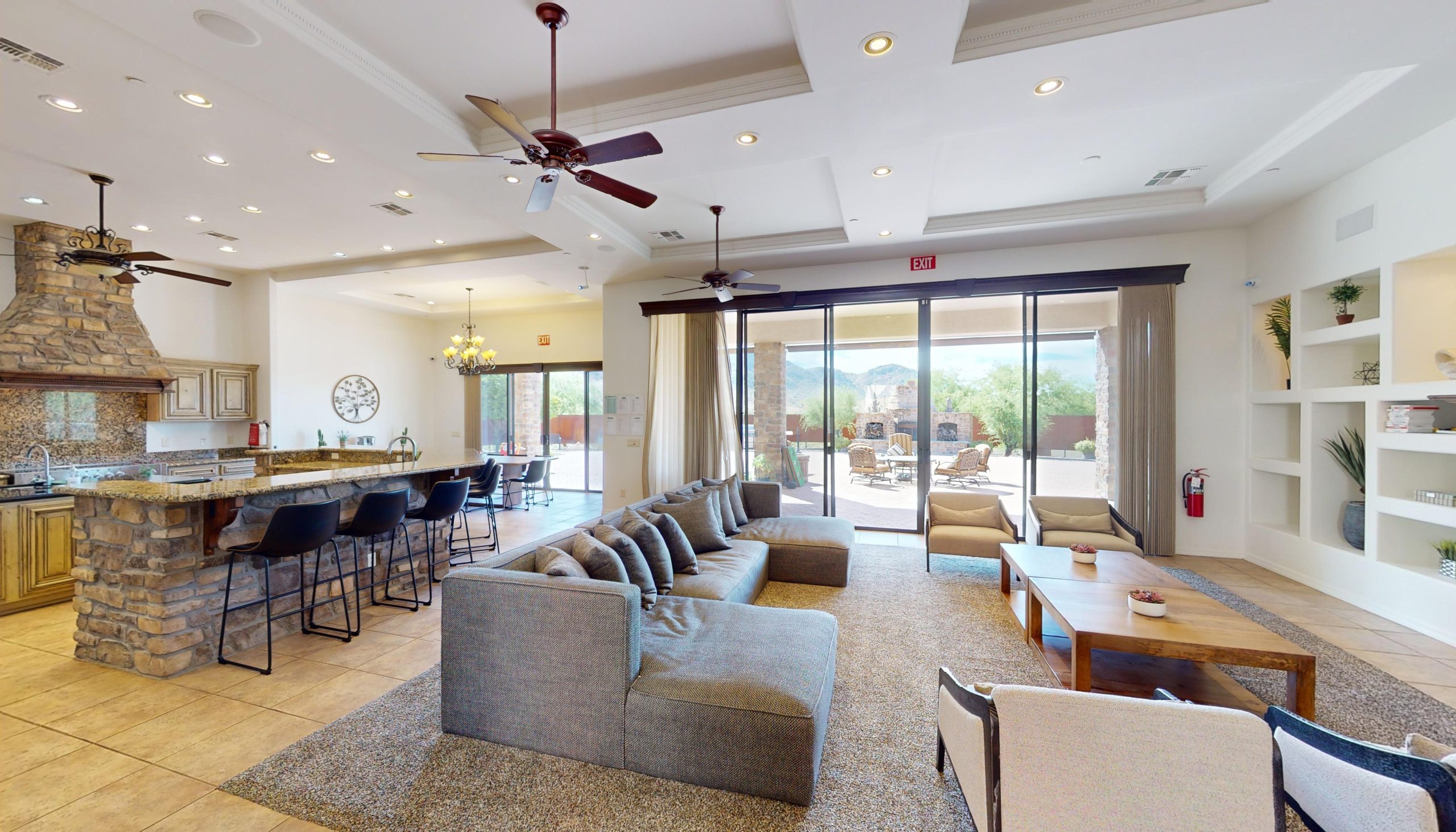
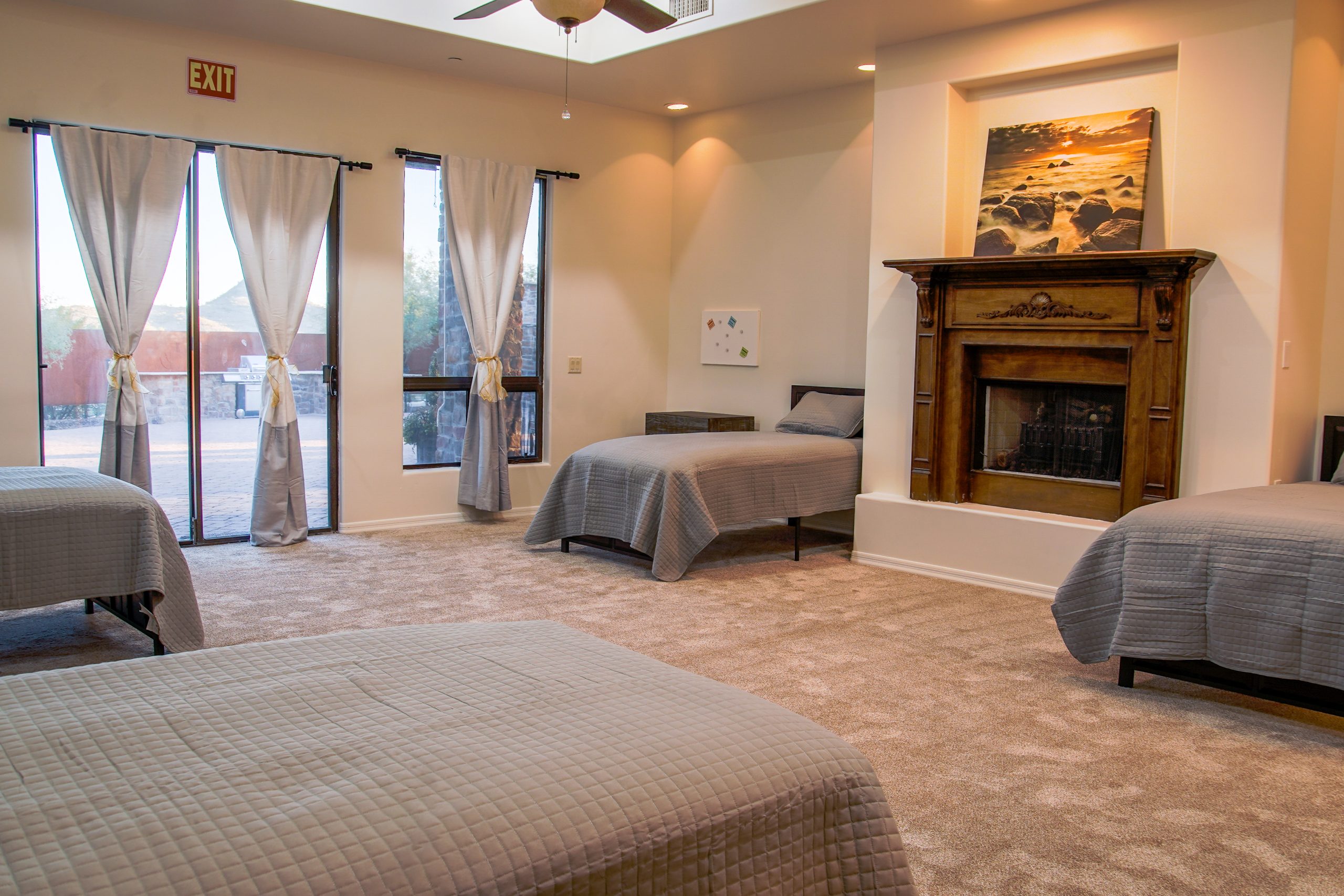
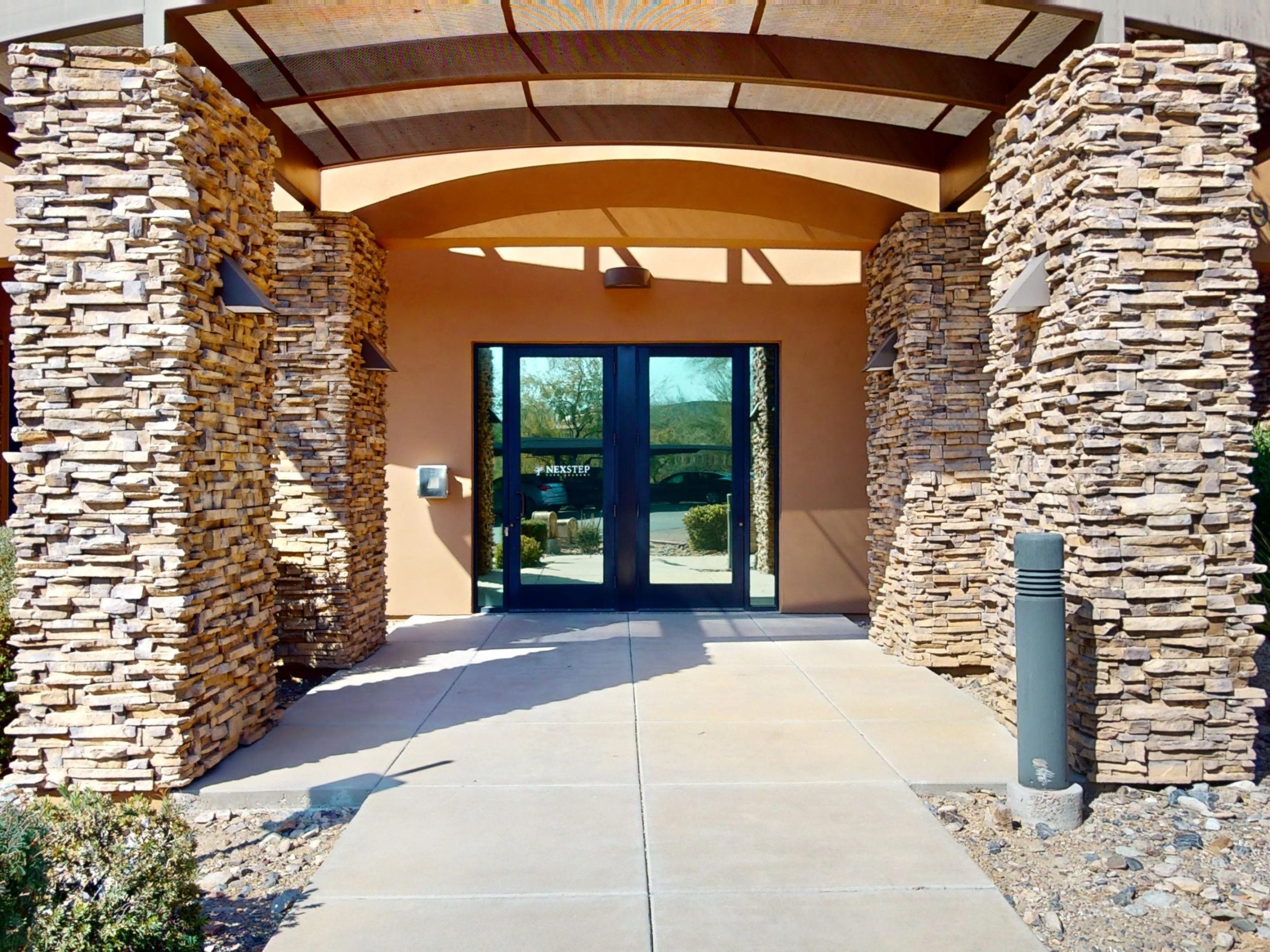
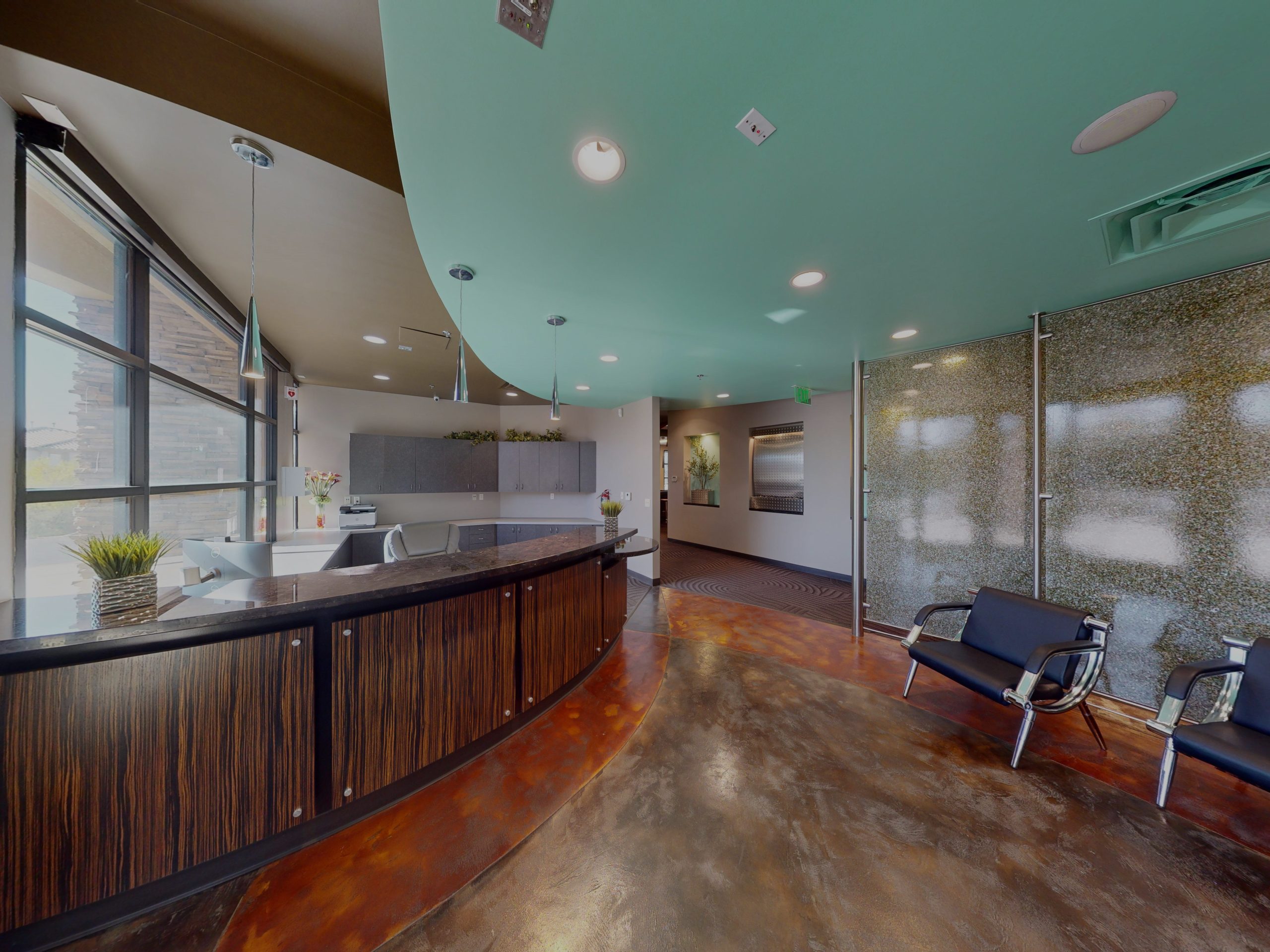
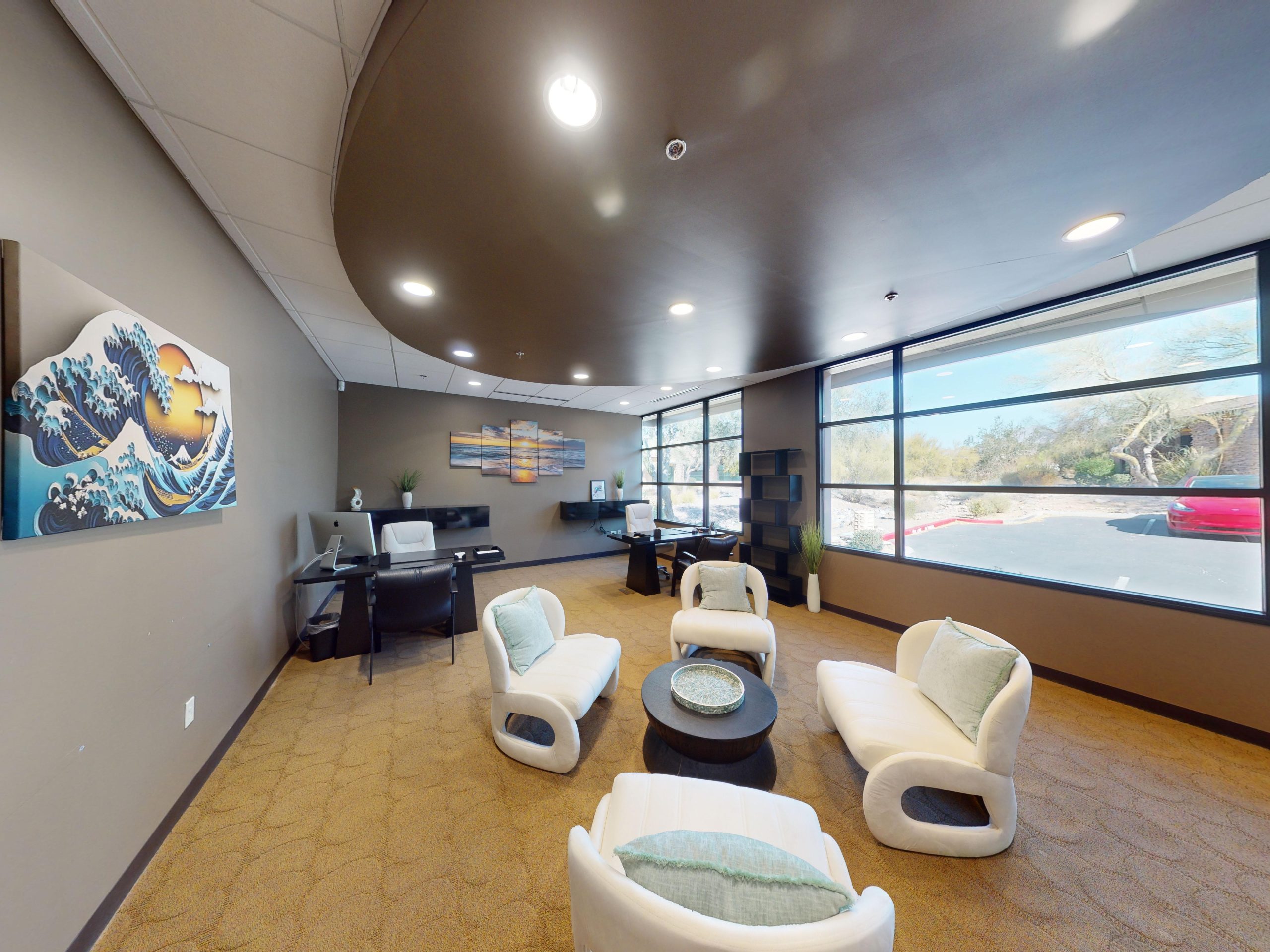
Rehab Center Interior
🕐 Working Hours Mon - Sat ( 8am - 5pm )
Sunday ( 8am - 1pm )

Conditions We Treat

Substance Addiction

Mental Health Conditions

Therapies We Employ

Group Therapy

Most teens arrive certain no one else could understand what they are carrying.
Sharing in a guided group builds honesty, accountability, and the relief of not being alone.
With a therapist keeping the room safe, teens learn to give and receive support.
Group Therapy

Family Therapy

Family sessions are a core part of the program, because lasting recovery includes the home.
We help parents and teens truly hear one another and step out of the same old cycles.
As the household finds steadier ways to communicate, your teen has more to come home to.
Family Therapy

Individual Therapy

Every teen meets one-on-one with a licensed therapist on a regular schedule.
It is a confidential, judgment-free space to be honest, untangle what is really going on, and build real coping skills.
Individual Therapy

Holistic and Recreation Therapies

Outside clinical hours, teens take part in art, music, movement, and time outdoors.
These activities give the body room to reset and the mind a break, and often reopen joy.
Holistic

Evidence-Based Therapies

Cognitive Behavioral Therapy (CBT)

CBT helps teens catch the distorted, self-critical thoughts that quietly drive using and low mood, and see them for what they are.

From there our therapists coach them to swap those patterns for steadier, more realistic thinking they can carry into daily life.

Dialectical Behavior Therapy (DBT)

DBT builds four practical skills: mindfulness, distress tolerance, emotion regulation, and healthier relationships.

With those tools in hand, teens can move through intense feelings without turning to substances or self-harm.

Acceptance and Commitment Therapy (ACT)

ACT teaches teens to make room for cravings and hard emotions instead of being ruled by them.

They learn to notice an urge, name it, and still choose a next step that lines up with who they want to be.

Interpersonal Narrative Therapy

Narrative work gives teens a new way to understand their own story, separating who they are from what they have been through.

Instead of 'this is just how I am,' they begin to see patterns they can actually rewrite.

Mindfulness Practices

Mindfulness helps teens stay present without judging every passing thought or feeling. In recovery, that quiets the loops of worry, shame, and craving that so often trigger a relapse.


Functional Family Therapy (FFT)

FFT works with the whole family to lower conflict and rebuild connection at home. A calmer, more united household gives a teen's recovery a far firmer place to stand.


Trauma-Informed Cognitive Behavioral Therapy (TF-CBT)

TF-CBT lets teens process trauma at a safe, gradual pace with steady clinical support.

Over time, triggers that once felt overwhelming begin to lose their grip.

Your Next Steps: Getting Started in 5 Simple Steps

As a parent, having a clear sense of what to expect makes a hard moment feel more manageable. Here is how getting started works.
Recovery Process
01

Receive the Details

We keep the first conversation clear and unhurried, walking you through how the program works and answering every question you bring.

02

Pre-Admission Stage

Next comes a thorough assessment, where our clinical team takes time to understand your teen's history, needs, and strengths.

03

Parents Input

What you have seen at home carries real weight. Parents often notice patterns a first meeting cannot, so your perspective helps shape the plan.

04

Individualized Plan

With the assessment complete, we build a structured plan around your teen's specific goals rather than a one-size-fits-all track.

05

Start Your Treatment

Once your teen is accepted, we handle the logistics together and welcome them into a safe, supportive place to begin healing.

Inside a Typical Day at Our Residential Program

Every teen's day looks a little different, but a predictable rhythm is what makes real progress possible. A typical day unfolds like this:

check

The morning begins with wake-up and showers, then a fresh breakfast to start the day well.

check

A brief intention-setting check-in gives each teen a moment to name a goal for the day.

check

Structured activities and recreation time follow, keeping the body moving and the mind engaged.

check

Lunch is prepared fresh by our culinary team, with every teen's dietary needs accounted for.

check

The afternoon centers on a group therapy session alongside individual clinical work.

check

Academics and life-skills time keep teens on track with school and everyday independence.

check

After some downtime, everyone gathers for dinner and an evening group or activity.

check

The day closes with a gratitude practice that helps teens wind down and rest.

Supportive environment

Take a Tour of Our Facility

Our Teen Male Treatment
Facility

A Virtual Tour of Nexus Teen Academy: Oak

Our Teen Female Treatment
Facility

A Virtual Tour of Nexus Teen Academy: Mesquite

Our Teen Outpatient Treatment Facility

A Virtual Tour of Nexus Teen Academy: Willow

Why Mishongnovi Families Choose Nexus Teen Academy

Because at Nexus, our residential program is built to give teens exactly what they need to heal, not just a bed and a schedule. Every part of the day, from the clinical work to the meals to the people in the room, is chosen with a teen’s recovery in mind. Here is what sets our care apart.

Meet the Clinicians Who Care for Your Teen

Your teen is cared for by an experienced, licensed team, the kind of people who treat every adolescent with patience, respect, and genuine warmth.

What Other Parents Want You to Know

What Support Looks Like After Treatment

Sustained recovery on the mesa takes planning, and we do that planning with you, not for you. Your teen’s aftercare plan may include telehealth counseling, school coordination, the involvement of trusted relatives, and concrete steps for hard days, all shaped around the realities of life in Mishongnovi.

The road home up SR 87 leads back to the same village, the same school, and the same pressures. We prepare your teen to meet them with new skills and prepare you to recognize both progress and warning signs, so what was built in treatment keeps standing at home.

hands icon

You Do Not Have to Face This Alone

Fill out the form, or give us a call, and one of our admissions counselors will walk you through the next step with patience and zero pressure. Reaching out today can be the moment everything begins to turn.

Need Recovery Help? Contact Us

Directions to Nexus Teen Academy from Mishongnovi, AZ

Our campus sits in the greater Scottsdale area of metro Phoenix, roughly 200 miles from Mishongnovi. The most direct route follows State Route 87 south from Second Mesa through Winslow, over the Mogollon Rim past Clints Well, Pine, and Payson, and down into the Valley, finishing on Shea Boulevard toward Scottsdale. Most families make the drive in about four hours.

Q&A logo

Frequently Asked Questions

Look at what can be verified. Our program carries Joint Commission accreditation and an Arizona Department of Health Services license, and any parent in Mishongnovi can confirm that. Then look at the care itself: licensed therapists and nurses, plans built around your teen specifically, and regular, plain-spoken updates to you.

Trust your instincts on turnover, transparency, and pace. Frequent staff changes, unverifiable accreditation, general answers where specific ones belong, and a push to enroll quickly all point the same direction. A program confident in its care gives you time.

Ask which therapies they use and why, how quickly an individualized plan is created, how safety is maintained around the clock, how families stay involved, how schooling continues, and what aftercare looks like. Clear, specific answers are a reassuring sign.

Scholarship funds are not something we currently provide. What we do is work the insurance side hard on your behalf, including pursuing a Single Case Agreement when we are out of network, and give you a clear picture of your benefits before you commit to anything.

Typically 30 to 60 days. The exact length depends on what your teen needs and how they are doing, which we assess continually and talk through with parents instead of promising a set duration at intake.

Stress management, honest communication, problem-solving, boundary-setting, and healthy daily routines, taught as habits rather than lectures. A Mishongnovi teen should be able to use every one of them at school and at home.

Around-the-clock staffing is the baseline. Layered on top of it are a structured daily rhythm, clear and consistent expectations, and clinical oversight designed to notice a change in a teen before it becomes a crisis.

Our on-site teacher helps teens stay current with coursework and coordinates with their home school so they do not fall behind. Academics are woven into the daily schedule right alongside therapy and recreation.

Yes, and we encourage it. Walking the campus and meeting the clinical team in person tells you things a phone call cannot, and most parents find the visit settles something for them.

Your teen will be among other adolescents in treatment for related substance use and mental health concerns, always supervised and grouped appropriately by age. That peer understanding does real therapeutic work.

Your teen’s care sits with a licensed clinical team, including therapists, nurses, and psychiatric providers who specialize in adolescents and who coordinate their work around a single treatment plan.

Your teen’s information stays with the people treating them, in line with applicable privacy laws. We explain to families at the outset how confidentiality works so expectations are set honestly from day one.