Compassionate Teen Residential Treatment Center Near Nazlini, AZ
Licensed & Accredited By

Support for Families Near Nazlini
Nazlini is a Navajo Nation chapter community in Apache County, reached by Indian Route 27 between Ganado and Chinle in Arizona’s northeastern high desert. For a teen who may be showing signs of a deepening struggle, the nearest towns like Chinle, Ganado, Window Rock, and Canyon de Chelly rarely offer the round-the-clock structure that early recovery calls for, and that gap is exactly what a residential program is built to fill.
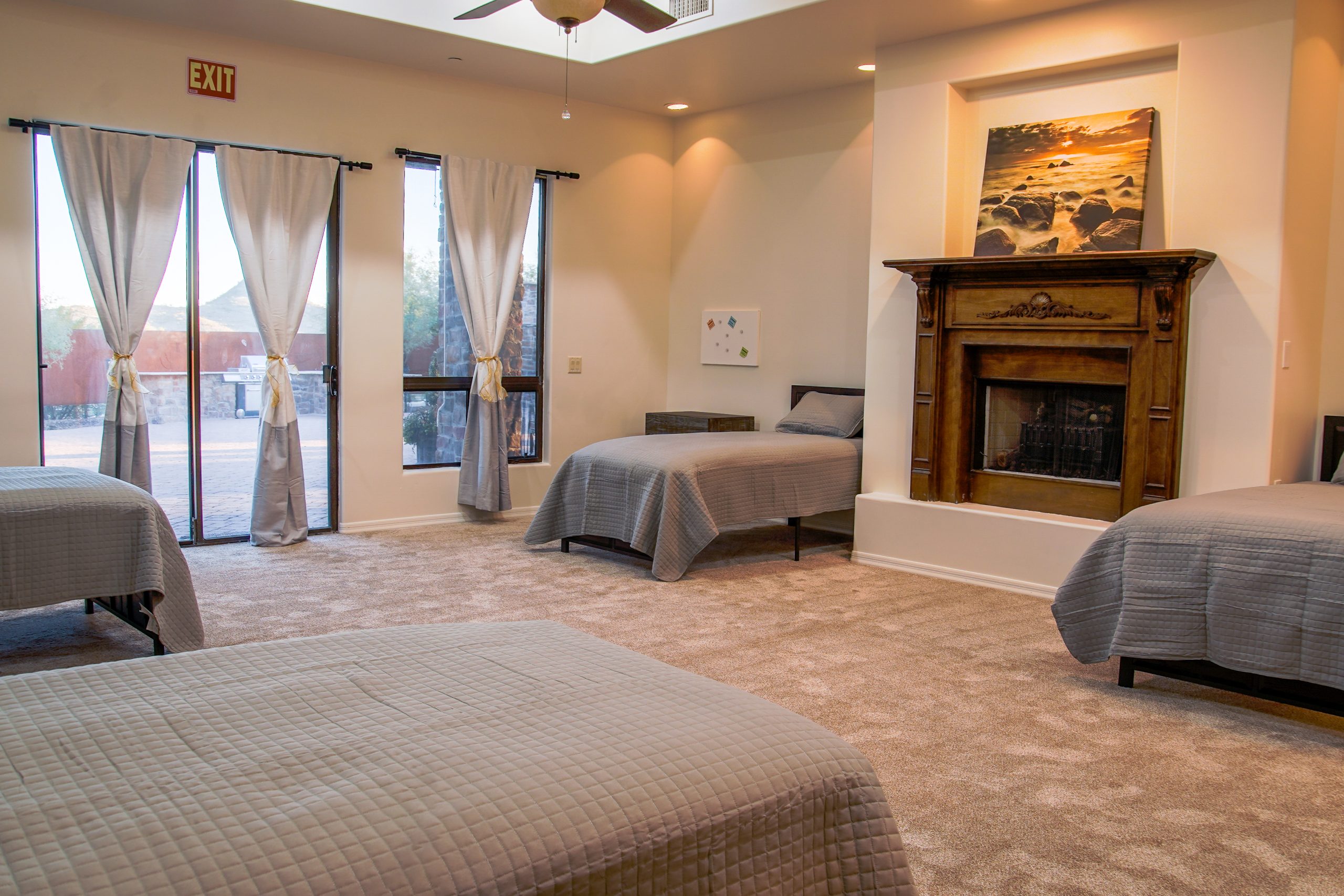
Our residential program cares for adolescents ages 13 to 17 in a supervised, home-like setting, with a typical stay of about 30 to 60 days. Rather than relying on a weekly appointment, teens live within a steady daily rhythm of therapy, school, meals, rest, and recreation, so that change has room to take hold.
We treat teens as whole people. Substance use almost always overlaps with a mental health condition such as anxiety, depression, or trauma, so our dual-diagnosis approach begins with a thorough clinical assessment and treats what is underneath the behavior, not just the behavior itself.
A teen from Nazlini who has drifted from family, school, and the things that once mattered may be showing signs that weekly counseling can no longer hold, and a short season of immersive care can be the turning point. When it is time to come home, a personalized aftercare plan helps that progress last.
-
Trauma Informed Treatment
-
Substance Abuse Treatment
-
Dual-Diagnosis Treatment
-
Mental Health Treatment
-
Safe Healing Environment
-
Life-Long Results
Verify Your Insurance
Get Your Teen the Help They Need

Sunday ( 8am - 1pm )

Conditions We Treat
Substance Addiction
- Alcohol
- Nicotine / Vaping
- Marijuana
- Cocaine
- Meth (Methamphetamine, Stimulant)
- Heroin / Fentanyl
- Prescription Pills
- Opioids
- MDMA (Ecstasy / Molly)
- Hallucinogens (Psilocybin Mushrooms, LSD)
- Inhalants
- Cough Syrup (DXM)
- PCP (Phencyclidine)
Mental Health Conditions
- OCD
- PTSD
- Trauma
- Anxiety
- Self-Harm
- Social Anxiety
- Psychotic Disorders
- Personality Disorders
- Schizoaffective Disorder
- Borderline Personality Disorder
- LGBTQ+ Mental Health
- Suicidal Thoughts
- Low Self-Esteem
- Eating Disorders
- Impulse Control
- Mood Disorders
- Bipolar 1 & 2
- Depression
- ADHD
- Anger
Therapies We Employ
Group Therapy
Family Therapy
Individual Therapy
Holistic and Recreation Therapies
Evidence-Based Therapies
Cognitive Behavioral Therapy (CBT)
CBT helps teens catch the distorted, self-critical thoughts that quietly drive using and low moods.
From there our therapists coach them to swap those patterns for steadier, more realistic thinking.
Dialectical Behavior Therapy (DBT)
DBT builds four practical skills: mindfulness, distress tolerance, emotion regulation, and healthier relationships.
With those tools in hand, teens can move through intense feelings without turning to substances.
Acceptance and Commitment Therapy (ACT)
ACT teaches teens to make room for cravings and hard emotions instead of being ruled by them.
They learn to notice an urge, name it, and still choose a next step that lines up with who they want to be.
Interpersonal Narrative Therapy
Narrative work gives teens a new way to understand their own story, separating who they are from the struggle.
Instead of 'this is just how I am,' they begin to see patterns they can actually rewrite.
Mindfulness Practices
Mindfulness helps teens stay present without judging every passing thought or feeling. In recovery, that quiets the loops of worry, shame, and craving that so often trigger a relapse.
Functional Family Therapy (FFT)
FFT works with the whole family to lower conflict and rebuild connection at home. A calmer, more united household gives a teen's recovery a far firmer place to stand.
Trauma-Informed Cognitive Behavioral Therapy (TF-CBT)
TF-CBT lets teens process trauma at a safe, gradual pace with steady clinical support.
Over time, triggers that once felt overwhelming begin to lose their grip.
What Happens Next? Get Started in 5 Simple Steps
As a parent, having a clear sense of what to expect makes a hard moment feel more manageable, so here is how getting started works.
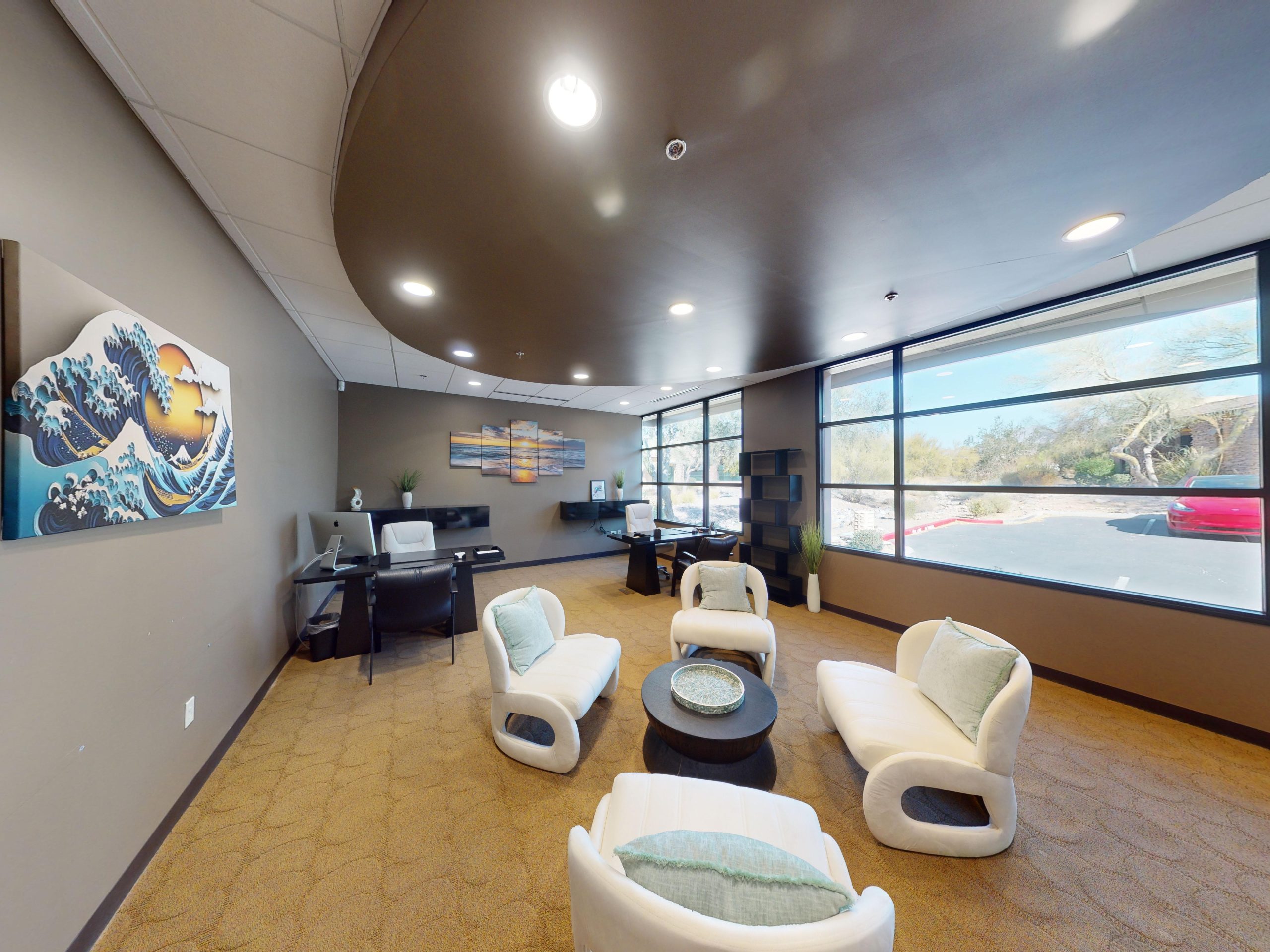
Receive the Details
We keep the first conversation clear and unhurried, walking you through how the program works, how admission happens, and what daily care will look like for your teen.
Pre-Admission Stage
Next comes a thorough assessment, where our clinical team takes time to understand your teen's history, medical needs, mood, and behavior as a whole person rather than a set of symptoms.
Parents Input
What you have seen at home carries real weight. Parents often notice patterns a first meeting cannot capture, and your perspective sharpens the plan we build.
Individualized Plan
With the assessment complete, we build a structured plan around your teen's specific goals, choosing the therapies, skill-building, and any medication support that fit their needs.
Start Your Treatment
Once your teen is accepted, we handle the logistics together and welcome them into a safe, supportive setting, walking you through paperwork, insurance, and what to pack.
What a Typical Day Looks Like in Our Residential Program
Every teen's day looks a little different, but a predictable rhythm is what makes real progress possible. Here is an overview of what a typical day may look like.
The day begins with wake-up and showers, followed by a fresh breakfast to start well.
A short morning routine and meditation help teens settle their bodies and minds. A brief intention-setting check-in gives each teen a moment to name a goal for the day.
Structured activities and recreation therapy follow, keeping the body moving and the mind engaged.
Lunch is prepared fresh by our culinary team, with every teen's dietary needs accounted for.
The afternoon centers on a group therapy session alongside individual clinical work.
Academics and life-skills time keep teens on track with school and everyday independence.
After downtime, everyone gathers for dinner, family phone calls, and journaling.
The day closes with a gratitude practice that helps teens reflect and wind down.

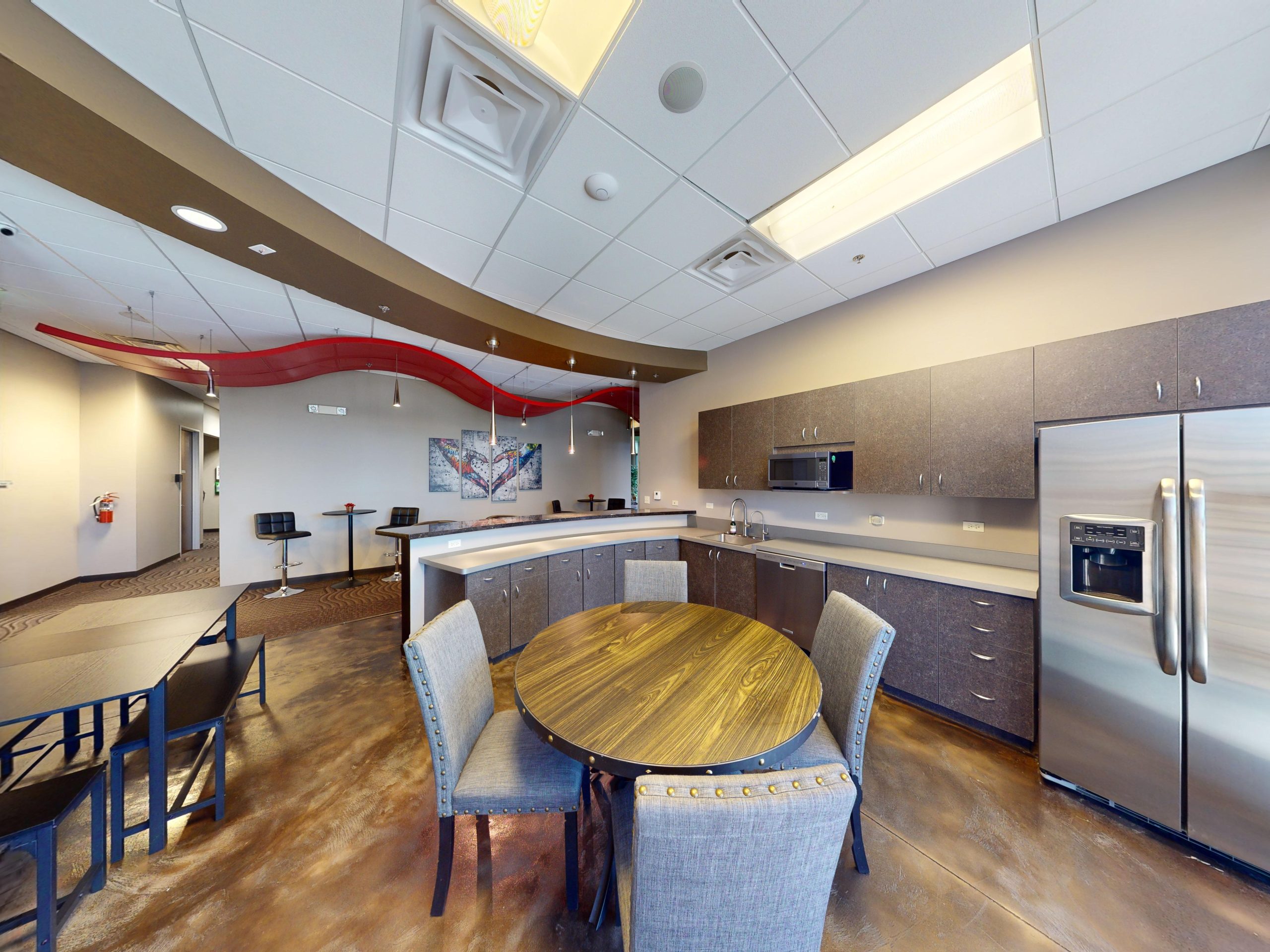
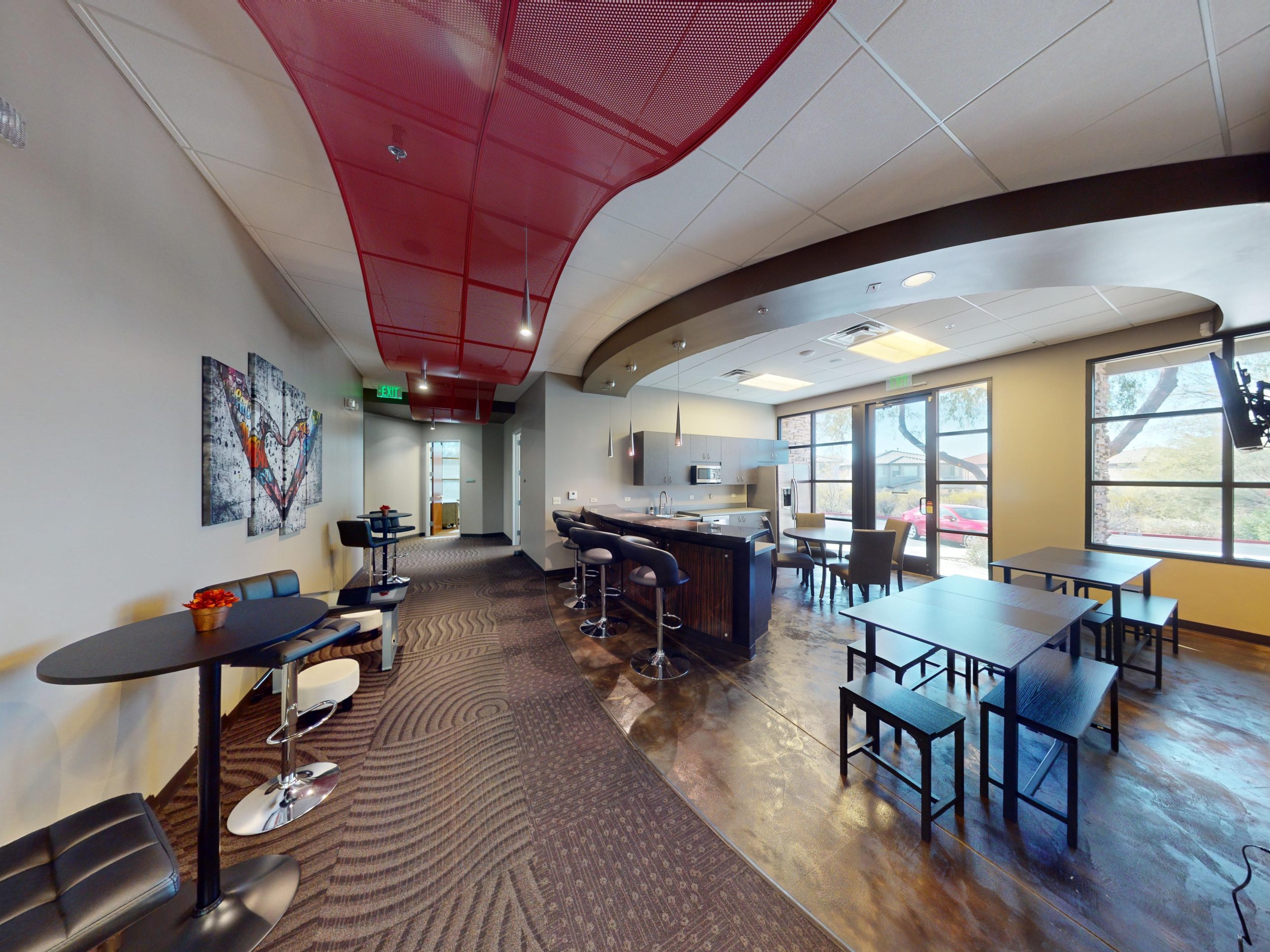
Take a Tour of Our Facility
Our Teen Male Treatment
Facility
A Virtual Tour of Nexus Teen Academy: Oak
Our Teen Female Treatment
Facility
A Virtual Tour of Nexus Teen Academy: Mesquite
Our Teen Outpatient Treatment Facility
A Virtual Tour of Nexus Teen Academy: Willow
Why Nexus Teen Academy Is the Right Choice for Your Teen
Because at Nexus, our residential program is built to give teens exactly what their condition needs to heal, in a setting made for adolescents.
In the early stage of care, medication is often part of keeping a teen safe and steady. Our providers manage it carefully and adjust as your teen progresses.
We take a whole-person approach to substance use and mental health, tending to the body, mind, and spirit rather than symptoms alone.
Our culinary team is briefed on each teen’s restrictions and preferences, because good nutrition supports a steadier mood and a clearer mind.
Sharing everyday life with peers facing similar battles builds a sense of belonging that makes the hard work of recovery feel possible.
We help teens build a steadier outlook and healthier habits by leaning on the strengths they already have.
We provide gender-specific residential care. For many teens, that focus removes distraction and helps them concentrate on healing.
Meet the Licensed Professionals Behind Your Teen's Care
Your teen is cared for by an experienced, licensed team, the kind of people who treat every adolescent as more than a case file. They bring clinical skill and real warmth to the work of helping teens recover.

Hannah Carr-Unquera, LPC
Hannah has been with Nexus since day one, initially joining as the Clinical Director before moving into the Chief Operating Officer role. Her clinical expertise and management skills will help Nexus grow into not only a place for healing for teens but an

Ashley Morton BSN, AAS, RN
Ashley received her Bachelor of Science in Nursing from Arizona State University and has an Associates of Applied Science in Chemical Dependency Counseling. Her nursing background ranges from Emergency Room, Behavioral Health, Critical Care, and Leadership for

Dr. Tyler White, LCSW, DSW
Dr. White is a Licensed Clinical Social Worker who holds a Doctorate in Social Work and has experience working with adolescents and families across diverse clinical settings. She is passionate about helping teens feel understood, supported, and capable of

Ashley Daniels
Ashley is passionate about supporting teens' social, emotional, and academic growth at Nexus. As a former director of theatre and teen programs, she developed liberal arts residential summer camps for Mount Holyoke College and Bryn Mawr College.

Jennifer Inderberg
With over 25 years of experience in education, Jennifer is passionate about supporting teens both academically and personally.

Alexandria Penner DNP, PMHNP-BC
Alex is a psychiatric nurse practitioner with over five years of experience supporting children and teens in crisis centers, hospitals, and outpatient clinics. She holds a nursing degree from Northern Arizona University and a doctorate from the University of

Melissa Stockmar
Chef Melissa is the Director of Food Operations at Nexus Teen Academy. Melissa Stockmar’s love and connection with food began at the age of 15. Growing up in the Midwest, every meal was treated as an important opportunity to spend time together with family and

Joe Gilmore
Joe Gilmore is the Director of Marketing at Nexus, where he leads digital outreach and content development to connect families with mental health care.
From One Parent to Another
Carol TrombinoTrustindex verifies that the original source of the review is Google. Nexus Academy was a wonderful place for my daughter. The staff were amazing and so supportive. They worked with our entire family. Highly recommend Nexus. Hemella SweattTrustindex verifies that the original source of the review is Google. Sending your child or teen to a residential treatment facility is a difficult and heart-wrenching decision. The team at Nexus Teen Academy was exceptional. Our daughter's therapist was a great fit for her and played a significant role in helping us grow as a family. Family therapy is a crucial part of your child's recovery, and Nexus does an excellent job of involving the family in the healing process. We are grateful for their support in guiding our daughter toward a path of recovery. S HTrustindex verifies that the original source of the review is Google. The program at Nexus was a lifesaver for my 15-year-old daughter. After a tough year in and out of different levels of care, my husband and I had truly hit a breaking point and knew a residential facility was needed, but we were adamant about finding a place that was safe, respectful, and loving for our daughter. The entire team at Nexus was caring and engaged from day one, despite my daughter NOT making that easy for the first couple of weeks. There were definitely days in the beginning where we wondered if this was even working, but the team encouraged my husband and me to stay the course, and thank goodness we did. After completing Nexus residential and PHP programs, our daughter has done a complete 180. Her mental health struggles aren't 'magically gone' - but she has learned not to let them control her and our family dynamic is leagues better than where we started. Maybe the craziest part of this whole experience was when she recently acknowledged that she was really struggling before and thanked me for sending her to the program - I almost fainted. All this to say, I can't recommend the team at Nexus enough to any family with a teen who is going through a hard time. Amanda HayesTrustindex verifies that the original source of the review is Google. Our 12 year old attended Nexus in summer of 2025. I opted for this location due to the reviews from other parents regarding similarly aged children. It's a whole different ballgame when a parent is trying to figure out what is best for their tween, knowing they will have exposure to older teenagers and older problems. That sad, Nexus is such a cohesive program. Our experience has been nothing short of wonderful, given the impossible circumstanes. All staff seems to be personally invested in each child's recovery and wellbeing. Our child left Nexus in a much more healed state than when they went in. I was so nervous about taking this huge step after poor hospital experiences and previous PHP's not being as helpful as we hoped. The staff is on top of relational dynamics in the house, and there is some separation between the younger residents and older ones, while still promoting overall cohesiveness. I feel they did a tremendous job supporting our 12 year old developmentally, bringing out a sense of childhood again. They also masterfully navigated our complicated family dynamic, going above and beyond to ensure our child's needs were met, the program requirements were met, in alignment with our family's needs. In a way, our child's time away at Nexus brought them back to us in a way we hadn't seen in a long time. I am so grateful. The PHP program, as well, is top notch and operates from heart. I would recommend both Nexus RTC and their PHP program to any parent in a similar situation. I have offered to connect with any parent in a similar place, so feel free to inquire about connecting with the staff. I know how terrifying this all is, and while we're not totally out of the woods, our child is currently attending school full time again with 2 evening therapy sessions each week. I attribute this assimilation into developmentally typical structure entirely to the care and support we all received from Nexus staff, from intake to therapy to medical and everyone else involved. Thank you, nexus, for helping our child- and our family- in our healing. I am forever grateful. AlishaTrustindex verifies that the original source of the review is Google. When we realized we needed a place for our teen to go longer term it was one of the hardest, scariest things I have been through as a mother. Nexus really made it easier and not quite so scary. They have a really caring staff, the kids love the staff. They truly care about your child, it’s not just another kid in and out of their house. I felt like our family was important and they were focused on what my child needed to help her through this difficult time. There was a lot of ups and downs with this process and we had some really hard times and conversations but the staff was always there to help guide us. I would truly say if you are struggling and your teen needs residential Nexus is an amazing place for treatment. The house is beautiful and it is truly comfortable for the kids. I would definitely recommend Nexus. Vanessa AnayaTrustindex verifies that the original source of the review is Google. I would like to share that we had a great experience at Nexus Teen Academy. All of the staff is great with communication and assisted us through the process. I am very grateful for all of the resources, help and treatment for my teen throughout their stay. The have an amazing team and would recommend to anyone who needs the help. Sean HayesTrustindex verifies that the original source of the review is Google. I highly recommend Nexus Teen Academy. The structure, support, and care they provided made a significant impact on my child, and it was also maintainable post-residency. During the residency, I attended a parent group led by the therapists who worked with the kids; where we learned critical skills and distinctions which helped with life afterward. It was also great to be in contact with other parents during this time, and the parenting group was great for this. Zane BedfordTrustindex verifies that the original source of the review is Google. Four years ago at the age of 13 my daughter completely stopped participating in school and started to display symptoms of major depression anxiety and an unknown mood disorder.Her attendance at school was greatly impacted in such a way that attending once or twice a week became standard until the age of 16.Alcohol addiction and juvenile legal troubles followed and became common issues up until the moment my daughter entered into Nexus Teen Academy.To be completely honest as a completely broken single parent,after trying many attempts at therapy/medications I had lost hope and had given up on expecting anything could fix the crisis we had been living in for the last for years. Nexus Academy changed my perspective, my daughter completed 33 days and for the first time in years I saw the spark and light come back to her eyes and soul.She left Nexus displaying insight and a desire to get back on track with her education. With all professions , one will find flaws and opportunities for improvement .I believe Nexus understands this and showed an openess to suggestions and constructive criticism. lily hendersonTrustindex verifies that the original source of the review is Google. Nexus was a life changing experience. I went in at 17 and experienced my 18th in there, to which the staff and residents all made sure I felt special. My goals were formed around gaining a better sense of self identity, self respect, and healing myself from the inside out. All of which happened in ways I never expected. I was shown how healthy communication, empathy in your home life, and phone-free relationships, all shape you as a person. Each and every one of the staff and administrators at Nexus are solely devoted to the children’s lives and well being. If there was ever an issue, i felt confident to go to them about it and it was swiftly handled. It was one of the most difficult goodbyes I have ever experienced in my life, as I grew family-life bonds with every person there. Thank you all!!!!! I appreciate every way you showed up for me and how you supported me in my stay. I will carry this experience with me forever. Jasmine CarterTrustindex verifies that the original source of the review is Google. My daughter was referred here after her various visits to psychiatric hospitals.I was so scared to be apart from my child but Nexus made me feel better about my decision because of their loving and welcoming environment. I love everything about this place, they really love the kids and support parents along the way. I appreciate everyone that loved and supported my child while she was at her lowest. I recommend this place to anyone that may feel like they have tried all they can and they do not know what to do next because Nexus will help you with the next steps in your journey.Google rating score: 5.0 of 5, based on 23 reviews

Aftercare: Support That Continues
Sustained recovery takes planning, and we do that planning with you, not for you. Because we know the distance from Nazlini to specialized adolescent services and the tight-knit ties of the chapter community can shape what comes next, each aftercare plan is personalized by a case manager to fit your teen’s real life back home, with realistic goals and practical next steps.
The transition home means the long road north and east back to the canyon country, the same chapter community, and the same familiar strains, and that is exactly why continued structure matters. We help connect your family with local and telehealth supports, outline relapse-prevention strategies, and stay a phone call away, so the work done in our care keeps going long after discharge.
Taking the First Step
Fill out the form, or give us a call, and one of our admissions counselors will walk you through everything, answer your questions, and help you understand the options for your Nazlini-area teen. There is no pressure, only support.
Need Recovery Help? Contact Us
Directions to Nexus Teen Academy from Nazlini, AZ
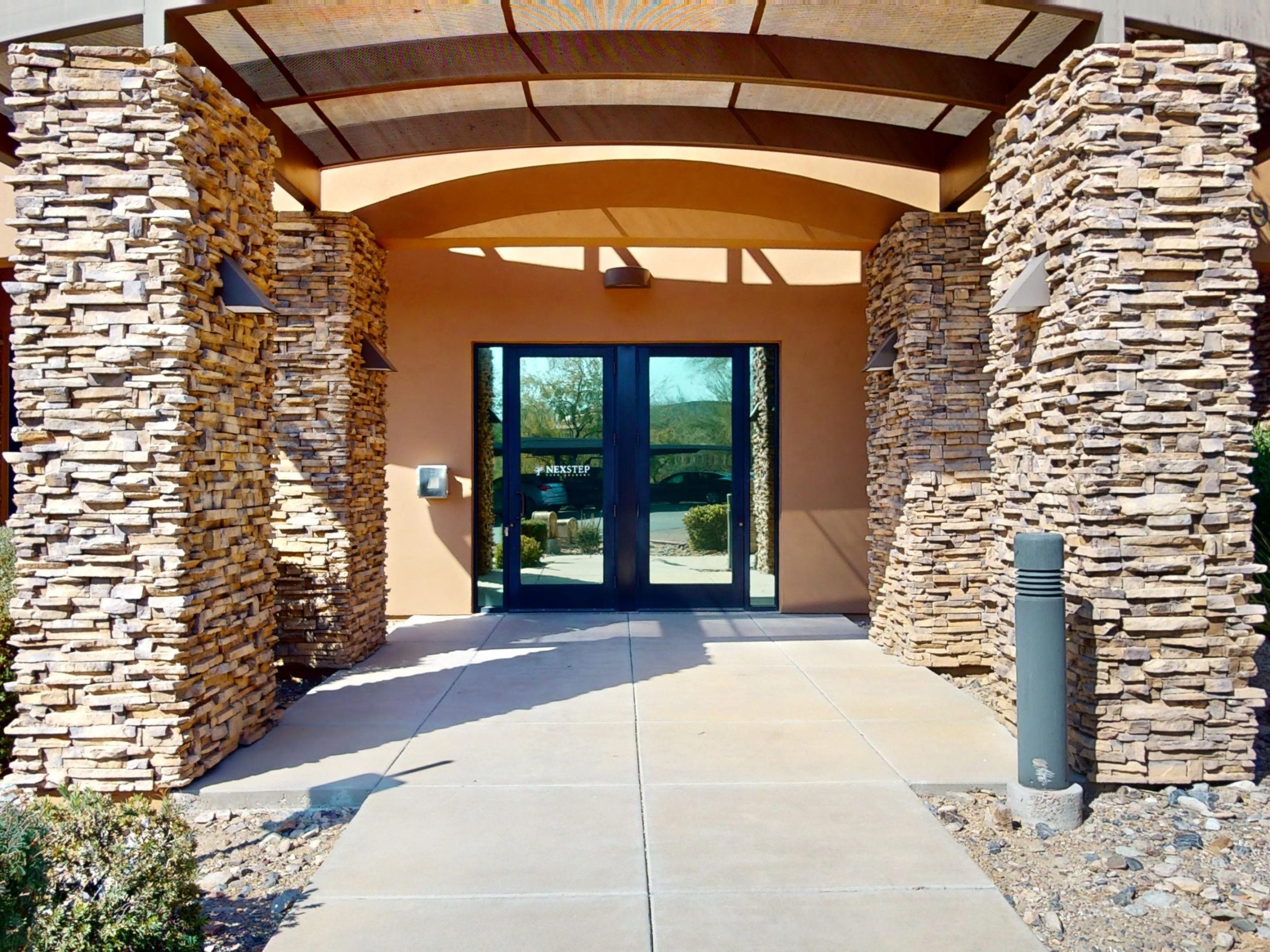
Our campus sits in the greater Scottsdale area of metro Phoenix, at 2695 E Saddle Mountain Rd in Cave Creek, roughly 285 miles from Nazlini. From Nazlini, families typically take Indian Route 27 to US-191, connect to Interstate 40 near Chambers, drive west through Flagstaff, then follow Interstate 17 south to State Route 74 and east into Cave Creek.
Frequently Asked Questions
How do we know, from Nazlini, that your program provides high-quality care?
Two things are worth checking before anything else: our Joint Commission accreditation and our licensure by the Arizona Department of Health Services. For a family in Nazlini, those credentials mean the care your teen receives meets recognized state and national standards for safety and quality.
What are the signs that a residential facility may not be the right fit?
Be cautious of high staff turnover, no clear accreditation, vague answers about therapies or safety, or a program that seems more focused on revenue than on your teen’s well-being. Trustworthy programs answer these questions openly.
What are the most important questions to ask before admission?
Ask about the clinical model and the reasoning behind it, the therapists’ qualifications, the emergency and safety protocols, how families are involved, and what aftercare looks like. Ask, too, which respected organizations license or accredit the program.
Is any scholarship assistance available to help with the cost?
We do not have a scholarship program at present. We can, however, verify your benefits, explain your coverage, and in some cases arrange a Single Case Agreement (SCA) so an out-of-network family can still use their insurance benefits.
How long does the residential program normally run?
The usual range is about 30 to 60 days. Because every teen arrives with a different history, we treat length of stay as clinical, adjusting it to your teen’s real progress rather than a fixed schedule.
What life skills will your program give a teen returning to Nazlini?
Concrete ones. A teen heading back to Nazlini should leave better able to name what they are feeling, cope with stress without substances, communicate honestly, solve problems, and manage everyday routines, so the return home feels steadier and more hopeful.
How do you keep teens safe around the clock?
Trained staff supervise teens day and night and step in early when something feels off. Clear routines and procedures support a calm, safe living environment where teens can focus on healing.
How does schooling continue during residential treatment?
Academics are part of the daily schedule, not an afterthought. An on-site teacher helps each teen keep up with coursework, and we coordinate with the home school so the transition back is as smooth as possible.
May we see the campus before we make a decision?
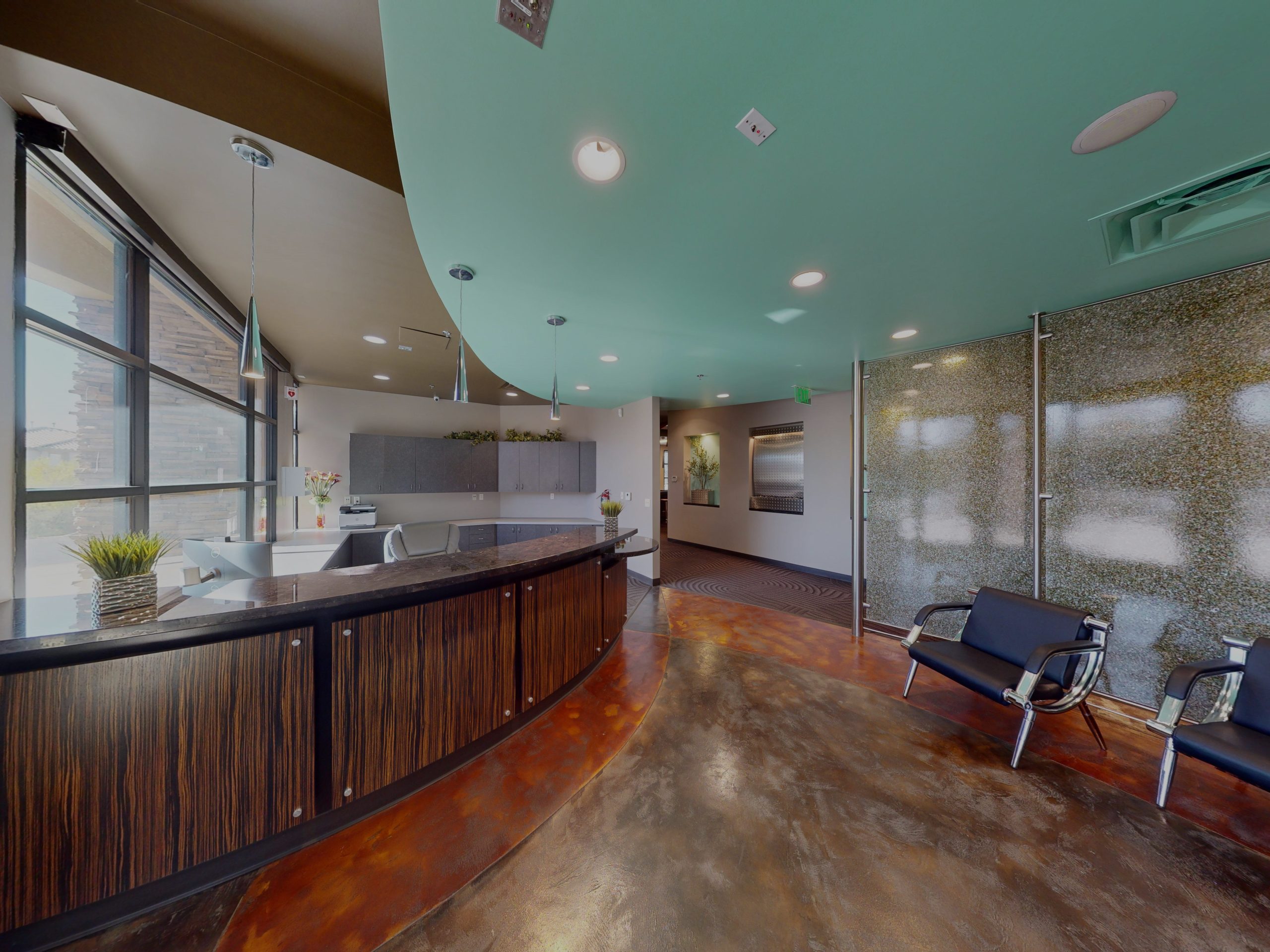
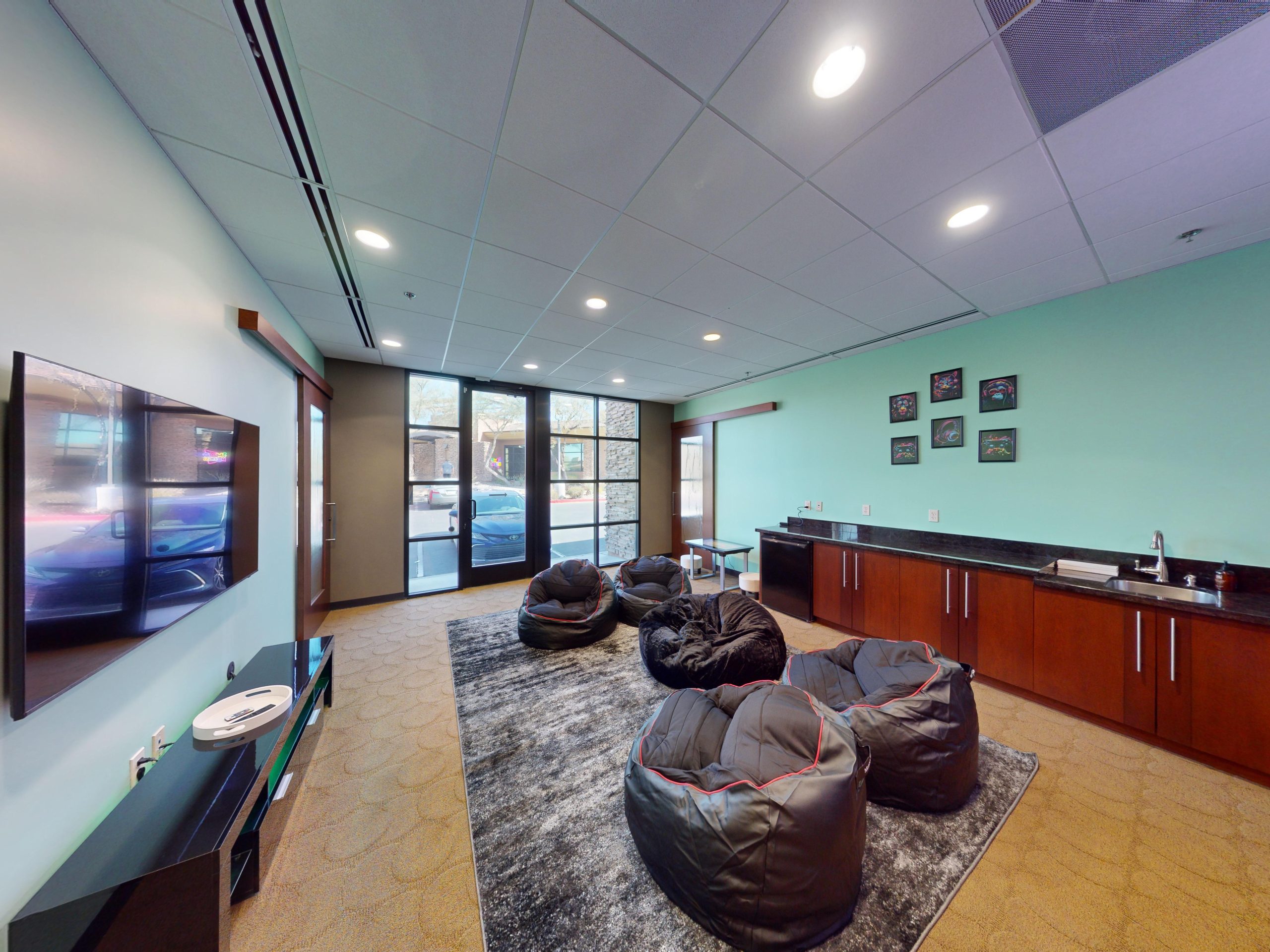
Absolutely. Parents are welcome to tour the campus, see where their teen would sleep and eat, and meet members of the treatment team before making a decision.
What kind of peers will my teen be around in the program?
The program serves adolescents ages 13 to 17 working through similar struggles. Groups are supervised, and we use a careful screening process so each teen admitted is an appropriate fit for the environment.
Who on your team will be responsible for my child?
Qualified, licensed professionals with adolescent experience: therapists leading the clinical work, nursing and psychiatric providers for medical and medication needs, and case managers coordinating the plan and aftercare.
How do you handle confidentiality and privacy?
Your teen’s privacy is treated as part of their care. We follow applicable federal and state privacy laws, including HIPAA and the federal rules for substance use disorder records, and share information only with authorized people for treatment purposes.