Teen Mental Health Treatment in Arizona

Transformative Teen Residential Treatment Center Near Yarnell, AZ

Licensed & Accredited By

Verified by Psychology Today
Joint Commission National Quality Approval
Care Solace Verified Provider
LegitScript Certified
Licensed by Arizona Department of Health Services
Nexus Teen Academy's Teen Mental Health Arizona

Residential Treatment Built Around Yarnell Teens

Yarnell is a small Yavapai County community atop the Weaver Mountains on State Route 89, in the chaparral-and-granite high country between Wickenburg to the south and Prescott to the north, with Peeples Valley just up the road and Congress down the switchbacks below. At roughly 4,800 feet, it is a place of big views and neighborly resilience, but intensive adolescent treatment is not among its local services. For Yarnell parents facing a teen in crisis, Nexus Teen Academy is the clear next step.

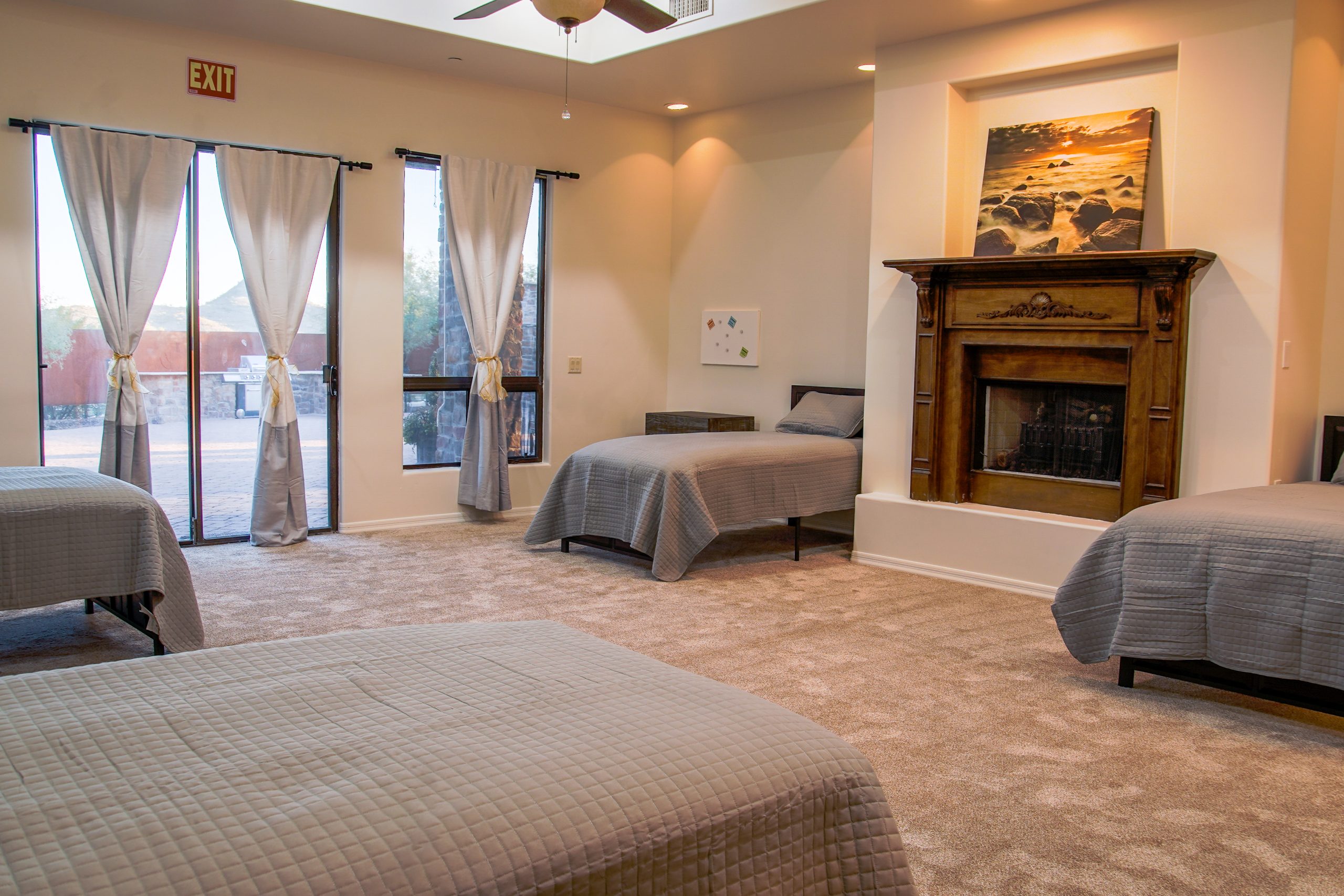
Our residential program supports teens ages 13 to 17 who need more than weekly appointments can give. Living in a supervised, home-like setting, teens trade chaos for consistency: daily licensed therapy, on-site schooling, recreation, and real rest. Most stays last between 30 and 60 days, shaped around each teen’s progress.

Substance use and mental health struggles feed each other, which is why we refuse to treat them separately. Our dual-diagnosis model digs into the anxiety, depression, or trauma underneath the using, so your teen heals at the root and not just at the surface.

A teen who has turned sullen, secretive, or reckless may be showing signs of a deeper struggle rather than simple defiance. We keep families involved from the first call to the last day, and every teen goes home to Yarnell with a personalized aftercare plan.

See What Your Insurance Will Cover

Beacon insurance logo
Aetna logo
Cigna logo
Geha logo

Get Your Teen the Help They Need

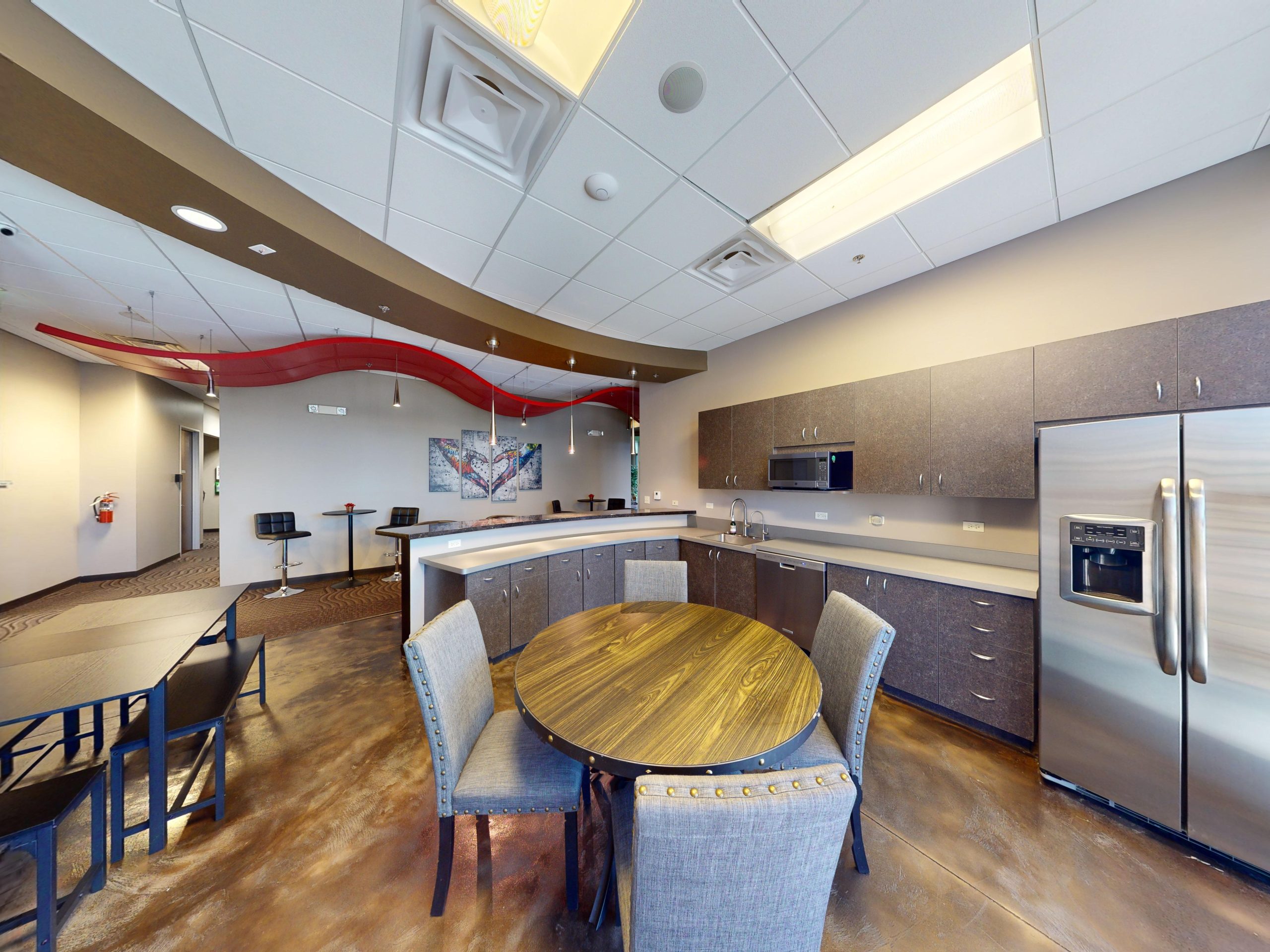
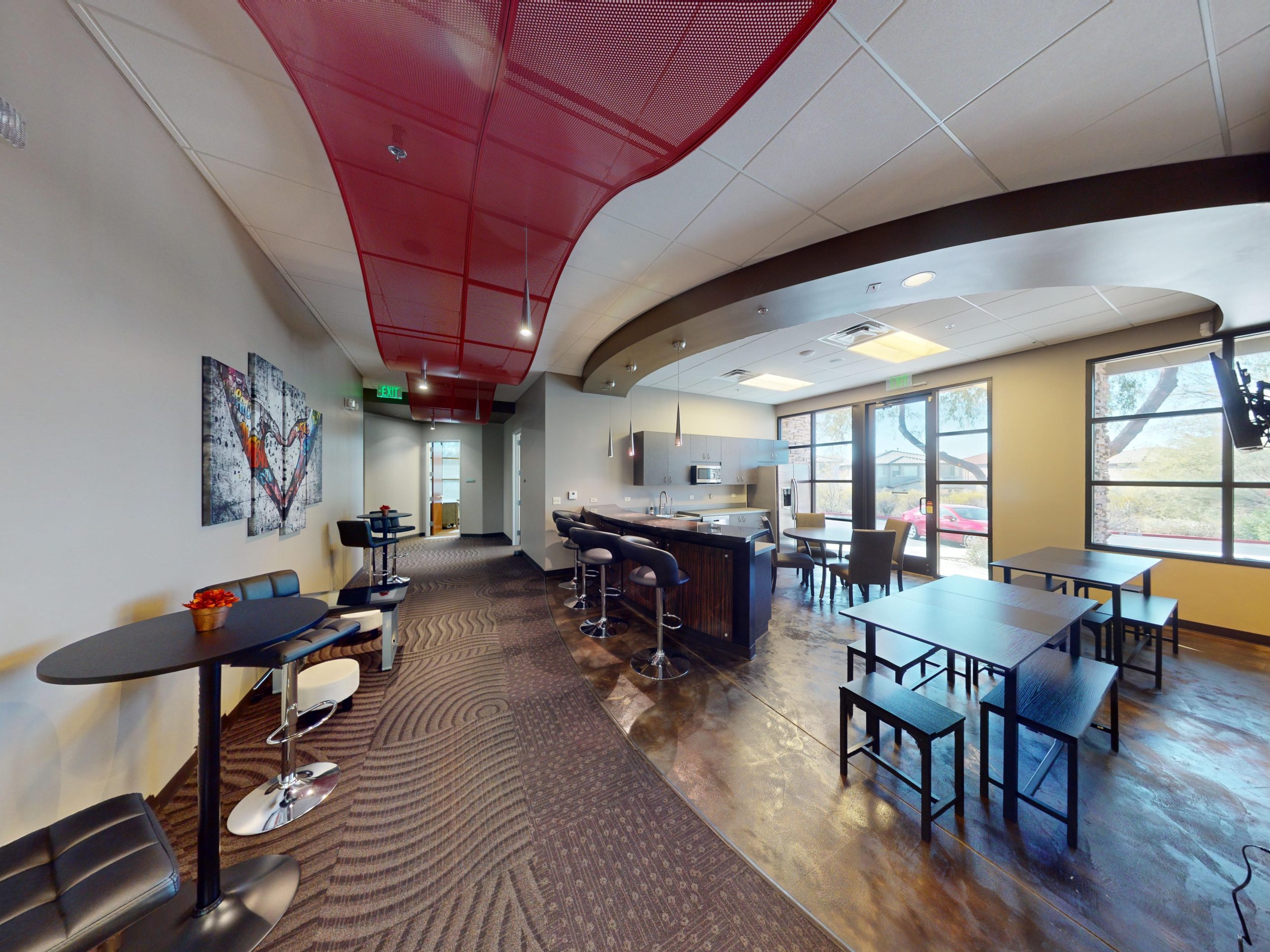
Rehab Center Interior
🕐 Working Hours Mon - Sat ( 8am - 5pm )
Sunday ( 8am - 1pm )

The Conditions Our Residential Program Treats

Substance Addiction

Mental Health Conditions

How We Help: Our Core Therapies

Group Therapy

Most teens arrive certain no one else could understand what they are carrying.
Sharing in a guided group builds honesty, accountability, and the relief of not being alone.
With a therapist keeping the room safe, teens learn to give and receive support.
Group Therapy

Family Therapy

Family sessions are a core part of the program, because lasting recovery includes the home.
We help parents and teens truly hear one another and step out of the same old cycles.
As the household finds steadier ways to communicate, your teen has more to come home to.
Family Therapy

Individual Therapy

Every teen meets one-on-one with a licensed therapist on a regular schedule.
It is a confidential, judgment-free space to be honest, untangle what is really going on, and build real coping skills.
Individual Therapy

Holistic and Recreation Therapies

Outside clinical hours, teens take part in art, music, movement, and time outdoors.
These activities give the body room to reset and the mind a break, and often reopen joy.
Holistic

Evidence-Based Therapies

Cognitive Behavioral Therapy (CBT)

CBT helps teens catch the distorted, self-critical thoughts that quietly drive using and low mood, and see them for what they are.

From there our therapists coach them to swap those patterns for steadier, more realistic thinking they can carry into daily life.

Dialectical Behavior Therapy (DBT)

DBT builds four practical skills: mindfulness, distress tolerance, emotion regulation, and healthier relationships.

With those tools in hand, teens can move through intense feelings without turning to substances or self-harm.

Acceptance and Commitment Therapy (ACT)

ACT teaches teens to make room for cravings and hard emotions instead of being ruled by them.

They learn to notice an urge, name it, and still choose a next step that lines up with who they want to be.

Interpersonal Narrative Therapy

Narrative work gives teens a new way to understand their own story, separating who they are from what they have been through.

Instead of 'this is just how I am,' they begin to see patterns they can actually rewrite.

Mindfulness Practices

Mindfulness helps teens stay present without judging every passing thought or feeling. In recovery, that quiets the loops of worry, shame, and craving that so often trigger a relapse.


Functional Family Therapy (FFT)

FFT works with the whole family to lower conflict and rebuild connection at home. A calmer, more united household gives a teen's recovery a far firmer place to stand.


Trauma-Informed Cognitive Behavioral Therapy (TF-CBT)

TF-CBT lets teens process trauma at a safe, gradual pace with steady clinical support.

Over time, triggers that once felt overwhelming begin to lose their grip.

What Happens Next? Get Started in 5 Simple Steps

As a parent, having a clear sense of what to expect makes a hard moment feel more manageable. Here is how getting started works.
Recovery Process
01

Receive the Details

We keep the first conversation clear and unhurried, walking you through how the program works and answering every question you bring.

02

Pre-Admission Stage

Next comes a thorough assessment, where our clinical team takes time to understand your teen's history, needs, and strengths.

03

Parents Input

What you have seen at home carries real weight. Parents often notice patterns a first meeting cannot, so your perspective helps shape the plan.

04

Individualized Plan

With the assessment complete, we build a structured plan around your teen's specific goals rather than a one-size-fits-all track.

05

Start Your Treatment

Once your teen is accepted, we handle the logistics together and welcome them into a safe, supportive place to begin healing.

A Look at the Daily Routine in Our Residential Program

Every teen's day looks a little different, but a predictable rhythm is what makes real progress possible. A typical day unfolds like this:

check

The morning begins with wake-up and showers, then a fresh breakfast to start the day well.

check

A brief intention-setting check-in gives each teen a moment to name a goal for the day.

check

Structured activities and recreation time follow, keeping the body moving and the mind engaged.

check

Lunch is prepared fresh by our culinary team, with every teen's dietary needs accounted for.

check

The afternoon centers on a group therapy session alongside individual clinical work.

check

Academics and life-skills time keep teens on track with school and everyday independence.

check

After some downtime, everyone gathers for dinner and an evening group or activity.

check

The day closes with a gratitude practice that helps teens wind down and rest.

Supportive environment

Take a Tour of Our Facility

Our Teen Male Treatment
Facility

A Virtual Tour of Nexus Teen Academy: Oak

Our Teen Female Treatment
Facility

A Virtual Tour of Nexus Teen Academy: Mesquite

Our Teen Outpatient Treatment Facility

A Virtual Tour of Nexus Teen Academy: Willow

Why Nexus Teen Academy Is the Right Choice

Because at Nexus, our residential program is built to give teens exactly what they need to heal, not just a bed and a schedule. Every part of the day, from the clinical work to the meals to the people in the room, is chosen with a teen’s recovery in mind. Here is what sets our care apart.

Meet the Team Caring for Your Teen

Your teen is cared for by an experienced, licensed team, the kind of people who treat every adolescent with patience, respect, and genuine warmth.

What Parents Have to Say

Ongoing Support After Residential Treatment

Before your teen comes home to Yarnell, we put an aftercare plan in place that fits your family’s actual life, which may include ongoing counseling in the Prescott or Wickenburg area, coordination with school, steady household routines, and a specific playbook for high-risk moments.

The quiet of the Weaver Mountains can serve recovery well when the right supports surround it. We make sure your teen returns with skills they have practiced, not just heard about, and that you return with a clear role in keeping the progress alive along State Route 89.

hands icon

Reaching Out Is the First Step

Fill out the form, or give us a call, and one of our admissions counselors will walk you through the next step with patience and zero pressure. Reaching out today can be the moment everything begins to turn.

Need Recovery Help? Contact Us

Directions to Nexus Teen Academy from Yarnell, AZ

Our campus in the greater Scottsdale area is roughly 95 miles from Yarnell, a drive of about an hour and forty-five minutes. Most families take State Route 89 south down the Yarnell Hill switchbacks through Congress to Wickenburg, then follow U.S. Route 60 southeast toward the Valley and the Loop 303 and Loop 101 into Scottsdale. That closeness keeps family therapy and visits very manageable.

Q&A logo

Frequently Asked Questions

Begin with the credentials. We hold Joint Commission accreditation and a license from the Arizona Department of Health Services, both of which Yarnell families are welcome to confirm independently. Beyond that, the day-to-day markers matter just as much: licensed clinicians, individualized plans, and parents who are kept genuinely in the loop.

Trust your instincts on turnover, transparency, and pace. Frequent staff changes, unverifiable accreditation, general answers where specific ones belong, and a push to enroll quickly all point the same direction. A program confident in its care gives you time.

Good questions cover five areas: the therapies and the thinking behind them, how fast a plan is tailored to your teen, how safety works day and night, how parents are folded into treatment, and how aftercare is planned. Press for detail on each.

We do not offer scholarship funds at this time. If your insurance falls short or we are out of network, our team will explore options such as a Single Case Agreement and walk you through exactly what your plan covers, so cost is never left to guesswork.

The usual range is 30 to 60 days. Because every teen arrives with a different history, we treat that as a range and not a rule, adjusting as the clinical team sees progress and keeping you part of that conversation.

The useful kind. Teens work on regulating stress, thinking a problem through, saying what they mean, holding a boundary, and keeping a routine that holds up. Those travel back to Yarnell with them and hold up in real situations.

Around-the-clock staffing is the baseline. Layered on top of it are a structured daily rhythm, clear and consistent expectations, and clinical oversight designed to notice a change in a teen before it becomes a crisis.

Schoolwork continues throughout the stay. Our on-site teacher supports each teen’s existing coursework and coordinates directly with the home school, so returning to class is not a jarring restart.

Yes. We welcome parents to visit, tour the campus, and meet the people who would be caring for their teen. Seeing the environment in person often brings real peace of mind before you decide.

The program serves adolescents ages 13 to 17 working on similar struggles. Groups are supervised and age-appropriate, and the shared ground between teens is part of why residential care helps.

A coordinated clinical team: licensed therapists, nursing staff, and psychiatric providers, all experienced with adolescents. They meet about your teen rather than working in separate lanes.

Your teen’s information stays with the people treating them, in line with applicable privacy laws. We explain to families at the outset how confidentiality works so expectations are set honestly from day one.