Teen Mental Health Treatment in Arizona

Arizona’s Leading Teen Residential Treatment Center Near Winslow, AZ

Licensed & Accredited By

Verified by Psychology Today
Joint Commission National Quality Approval
Care Solace Verified Provider
LegitScript Certified
Licensed by Arizona Department of Health Services
Nexus Teen Academy's Teen Mental Health Arizona

Trusted Residential Treatment for Winslow Teens

It is hard to watch your teen lose ground to substance use, especially when the strain reaches every part of family life. Our Winslow residential treatment program is designed for adolescents aged 13 to 17 who need a stable place to live, around-the-clock supervision, and structured care that does not treat them like a standard case. That foundation matters because treatment only works when it reflects the teen in front of us.

Once that is clear, the next step is understanding everything that may be driving the substance use. Teens sometimes arrive with co-occurring mental health disorders such as anxiety, depression, or trauma, which is why treatment begins with a comprehensive assessment and a plan designed around both these disorders.

From there, care becomes consistent and active. Teens take part in weekly individual, group, and family therapy, alongside evidence-based therapies with guided academic support, and follow a schedule that restores routine while building healthier coping skills. Because treatment should prepare teens and their parents for more than the residential stay itself, we also plan for what comes next, helping teens leave with momentum, structure, and a clear path toward long-term recovery.

Verify Your Medical Insurance

Beacon insurance logo
Aetna logo
Cigna logo
Geha logo
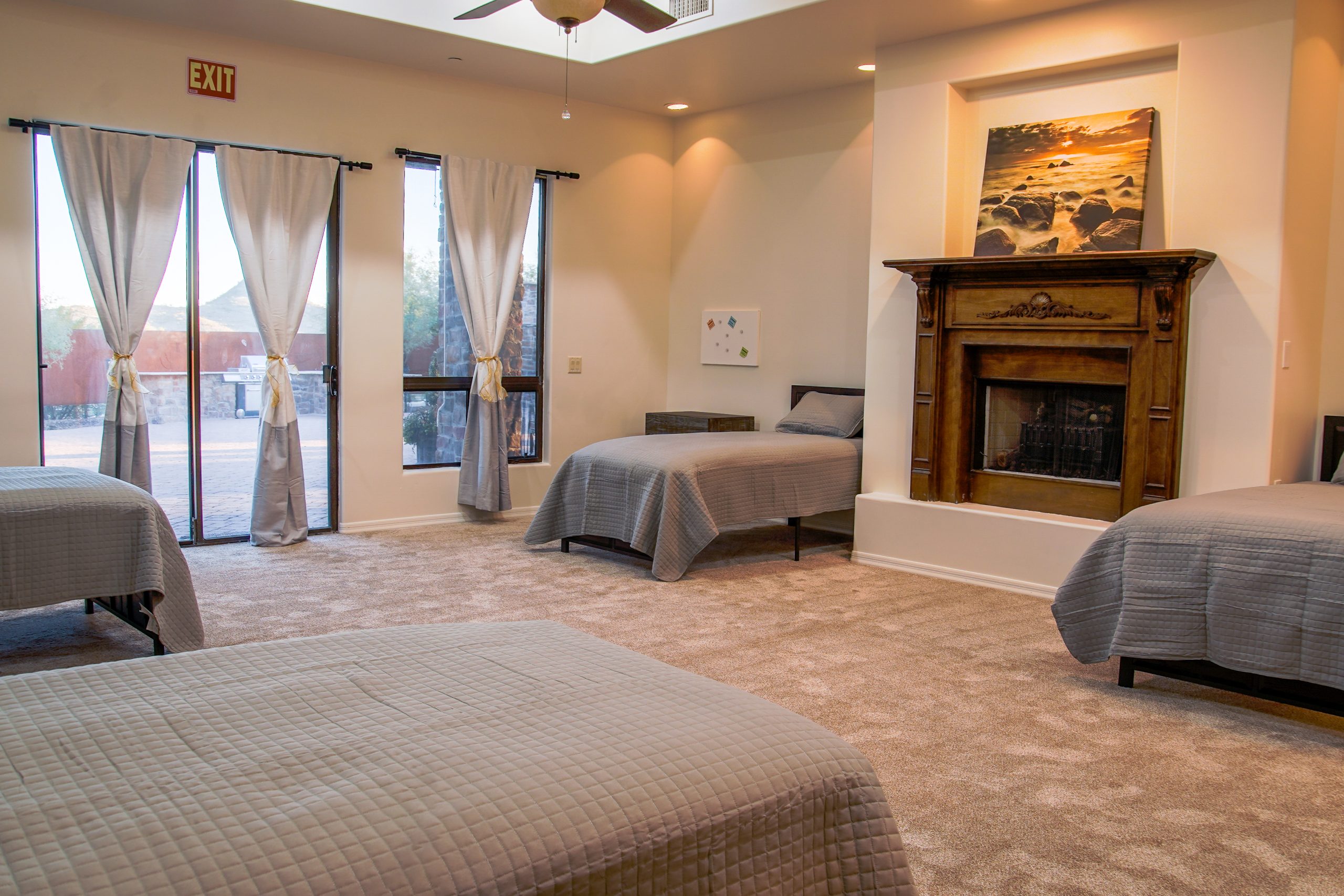
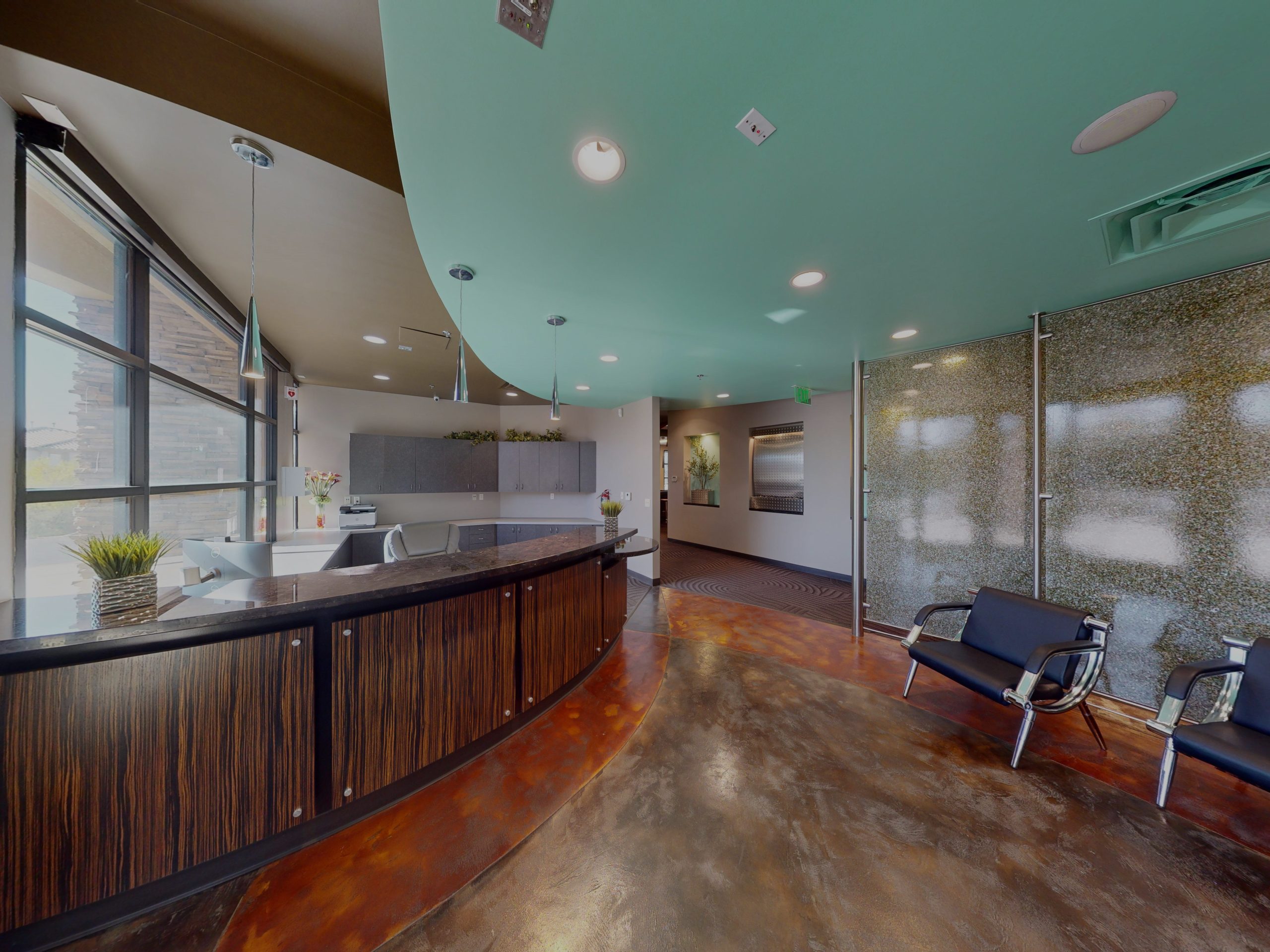
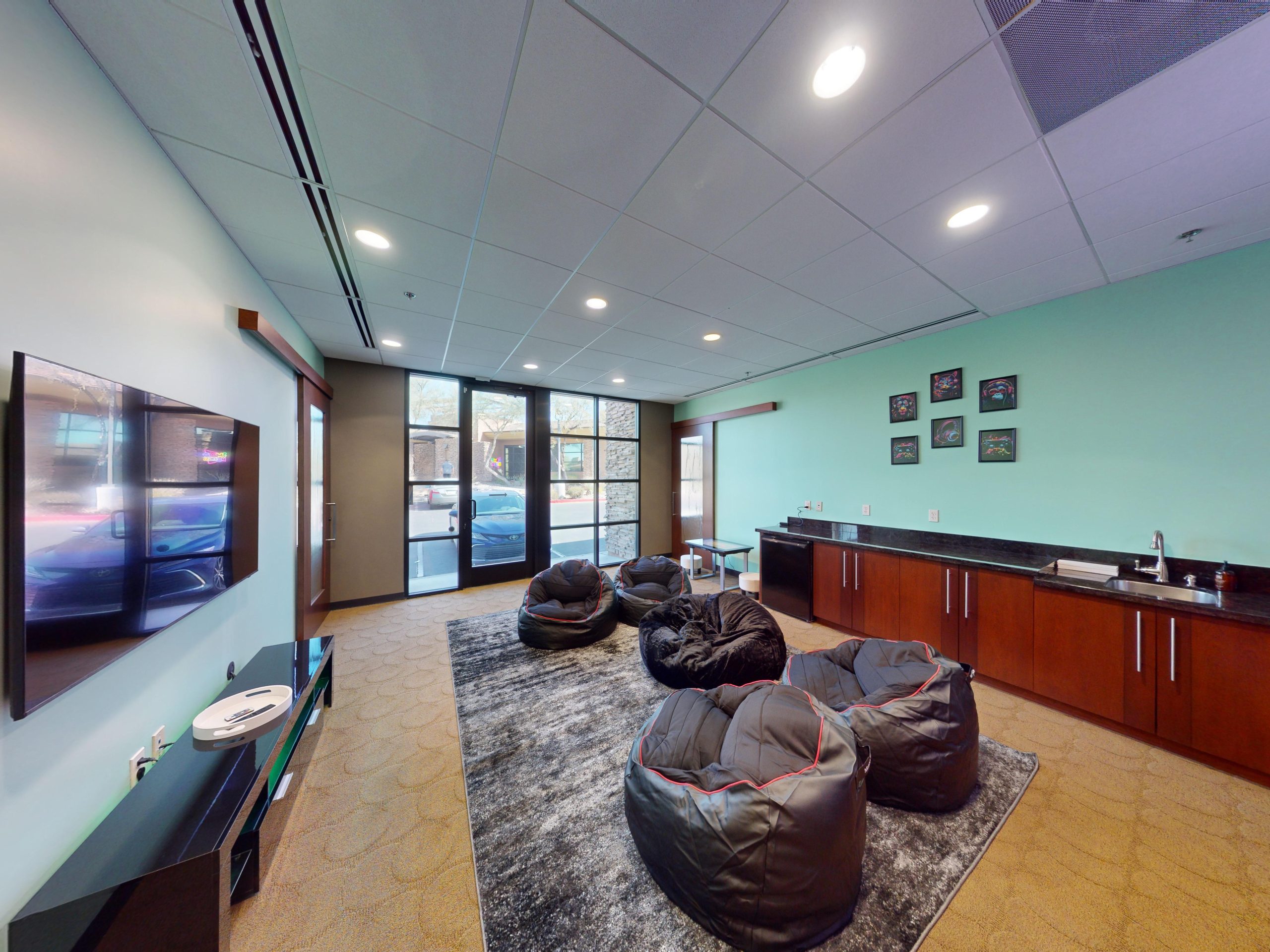
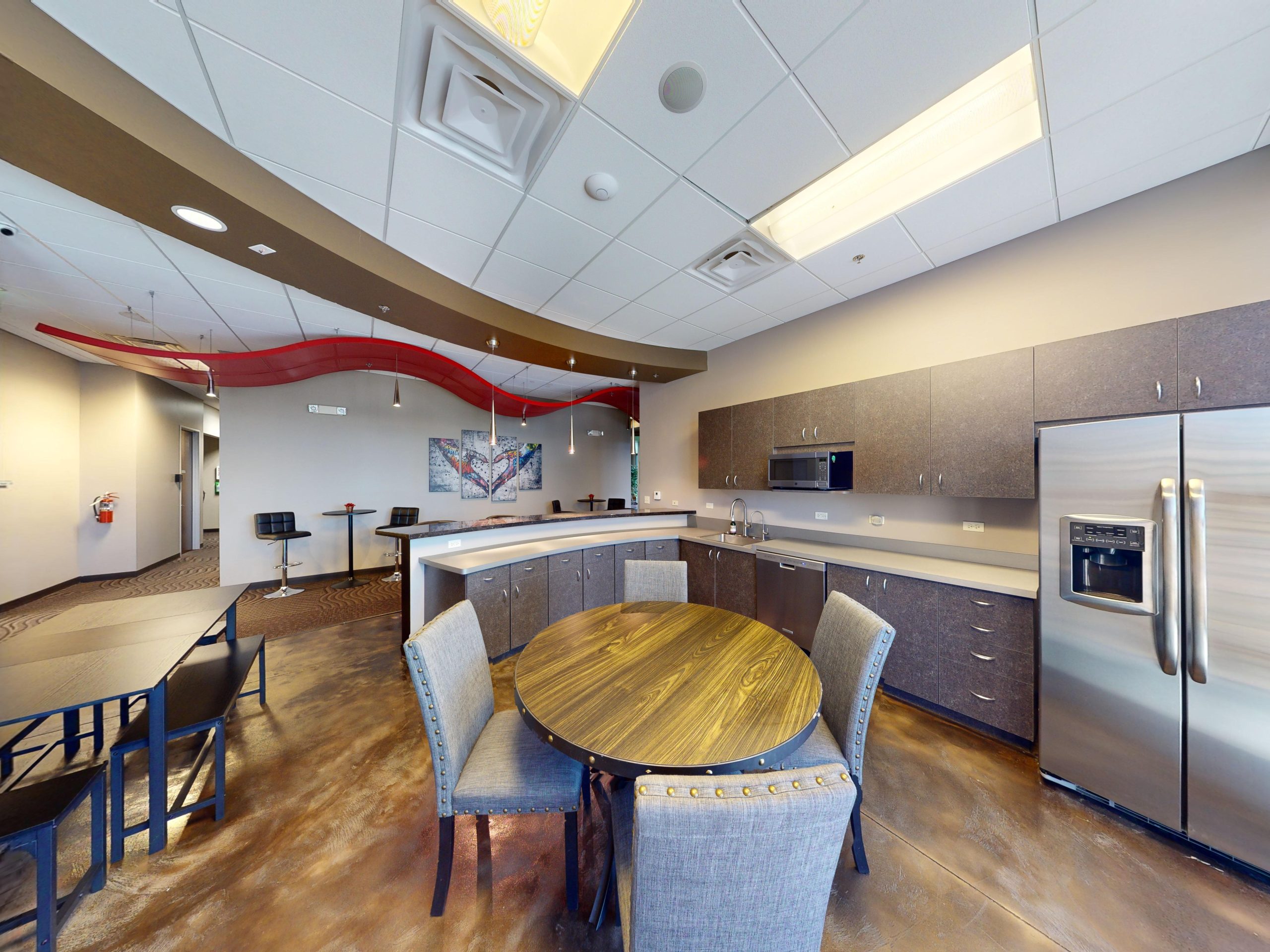
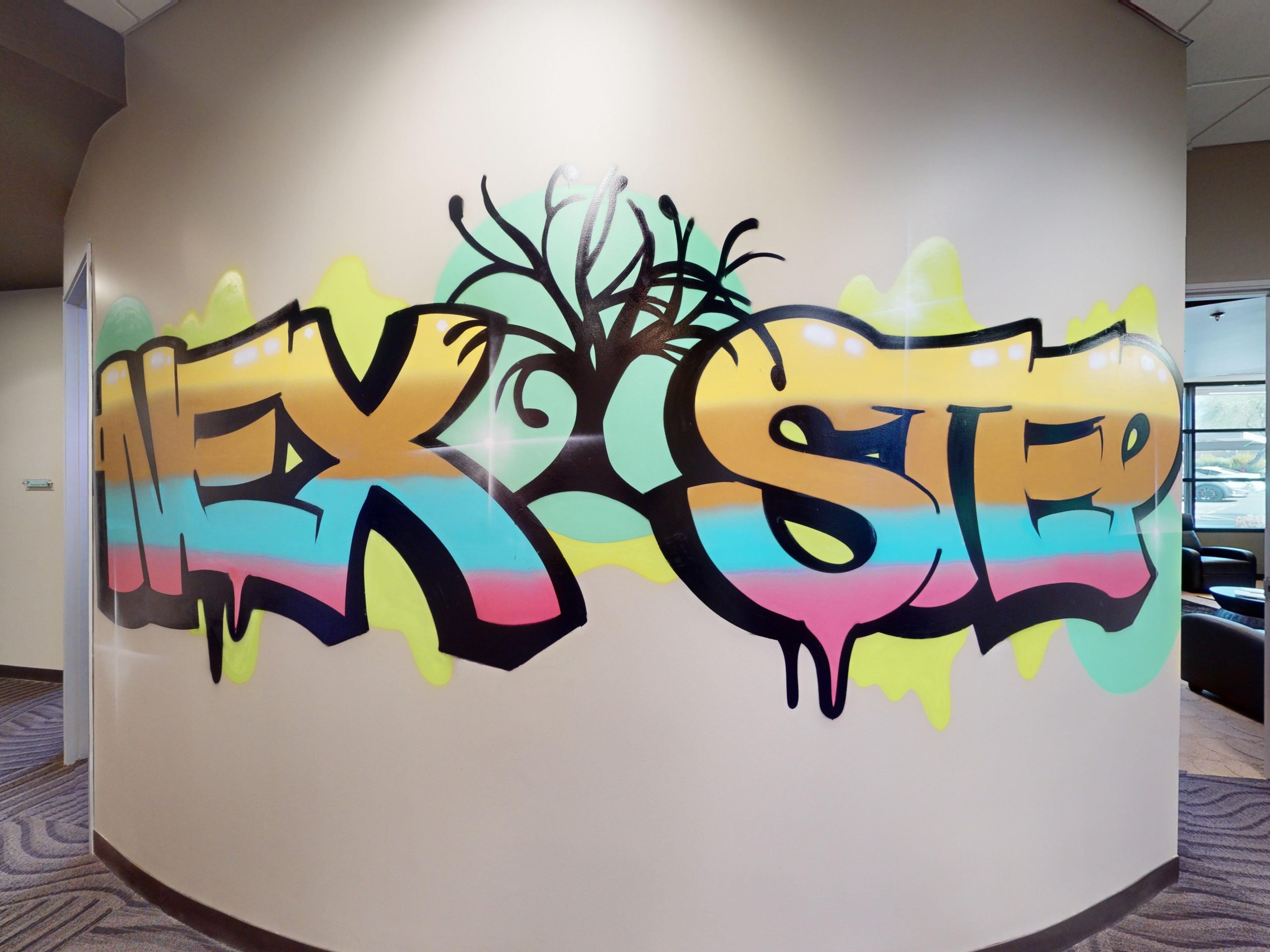
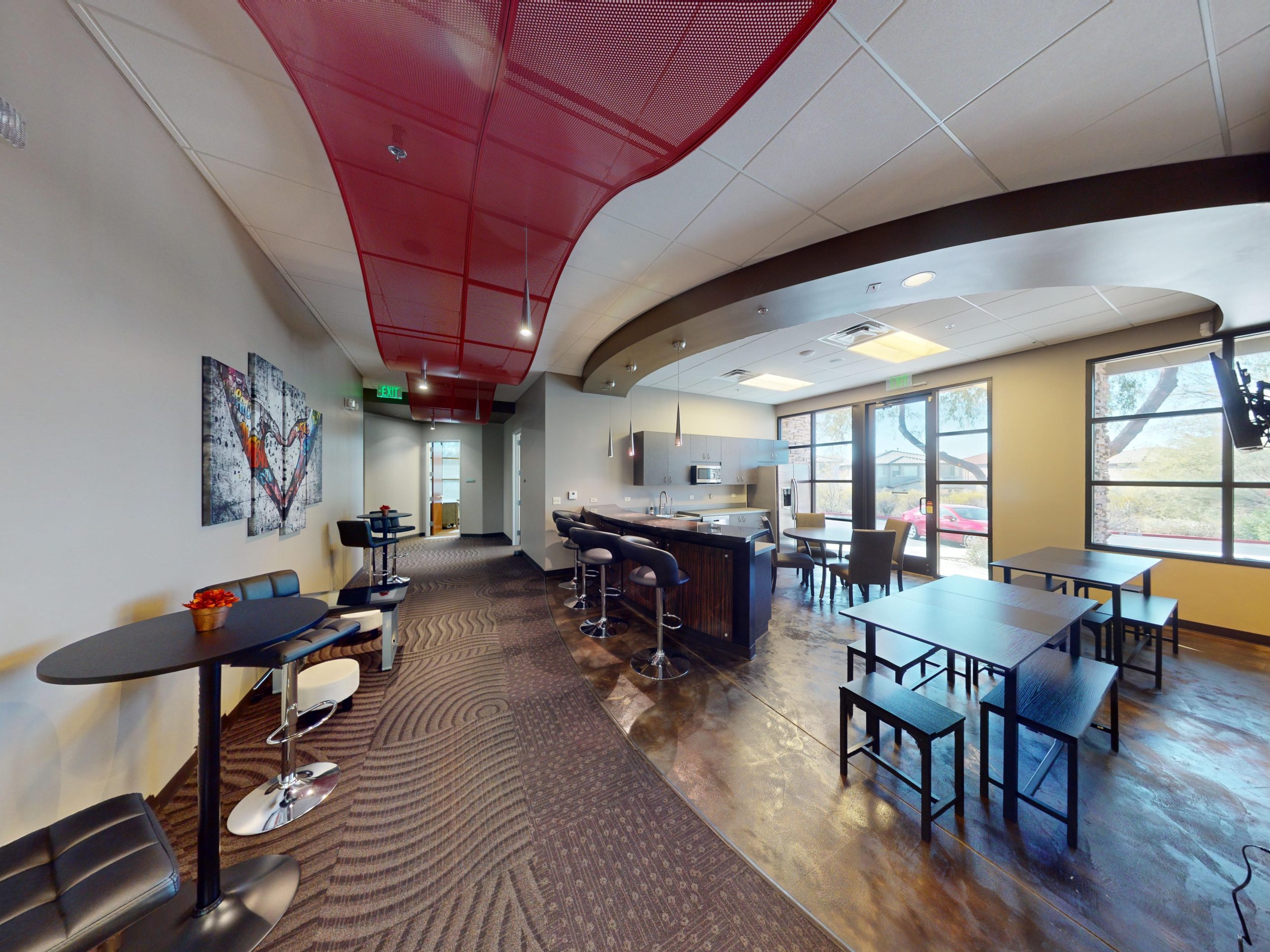
Rehab Center Interior
🕐 Working Hours Mon - Sat ( 8am - 5pm )
Sunday ( 8am - 1pm )

Conditions We Treat

Substance Addiction

Mental Health Conditions

Therapeutic Interventions We Utilize in Our Residential Treatment Program

Group Therapy

Teens can feel like no one gets it until they sit with others who do.
In group therapy, they share what they are going through and learn from peers in a safe, guided environment.
With a therapist leading the process, the group stays respectful and focused, while teens build confidence, honesty, and social skills.
Group Therapy

Family Therapy

Family involvement is not an add-on. It is the most crucial part of our treatment.
Our therapists help families improve communication, reduce conflict cycles, create a strong bond, and set boundaries that feel fair and clear.
When families get educated and learn new ways to cope together, teens have a stronger support system for long-term recovery.
Family Therapy

Individual Therapy

Every teen gets in a one-on-one session with our licensed therapist.
This is where they can speak openly without pressure, vent out their feelings, and make sense of the thoughts that keep pulling them down.
Individual Therapy

Holistic and Recreation Therapies

During the treatment, teens may take part in therapies like yoga, art, surf, hiking, music, and equine-assisted therapy.
These activities help them calm the body, reset the mind, and find joy again.
Holistic

Evidence-Based Therapies

Cognitive Behavioral Therapy (CBT)

CBT helps teens target their negative thoughts and routines that are quietly feeding their addiction, stress, and anxiety.

Our therapists, through CBT techniques, help teens recognize those patterns and replace them with healthier coping skills.

Dialectical Behavior Therapy (DBT)

Our licensed therapist, through DBT, helps teens build four skills: mindfulness, distress tolerance, interpersonal effectiveness, and emotion regulation.

These skills help teens manage emotions without shutting down or turning to substances.

Acceptance and Commitment Therapy (ACT)

ACT teaches teens how to make room for cravings and withdrawal symptoms without letting them take over.

They learn to notice urges, name them, and choose their next step based on their values, not the craving.

This increases psychological flexibility and often reduces the pull of urges over time.

Interpersonal Narrative Therapy

Narrative therapy gives teens a different way to look at what they’re going through.

Instead of thinking, This is who I am, they learn to see their addiction struggle as something happening to them rather than an internal fault.

Mindfulness Practices

Mindfulness therapy trains teens to observe their present moment without judging themselves. In recovery, this weakens the loops of worry, shame, and craving.


Functional Family Therapy (FFT)

FFT involves working with families to resolve conflicts and strengthen family dynamics, providing a supportive environment for the teen's recovery.


Trauma-Informed Cognitive Behavioral Therapy (CBT)

TF-CBT helps teens in processing their traumatic events safely, equips them with coping skills, and builds better emotion regulation.

With practice, triggers feel less intense, and daily functioning improves.

What to Expect During Our Residential Rehab

As a parent, knowing what to expect during the residential treatment program can ease worry and help you support your teen through the same fears and questions.
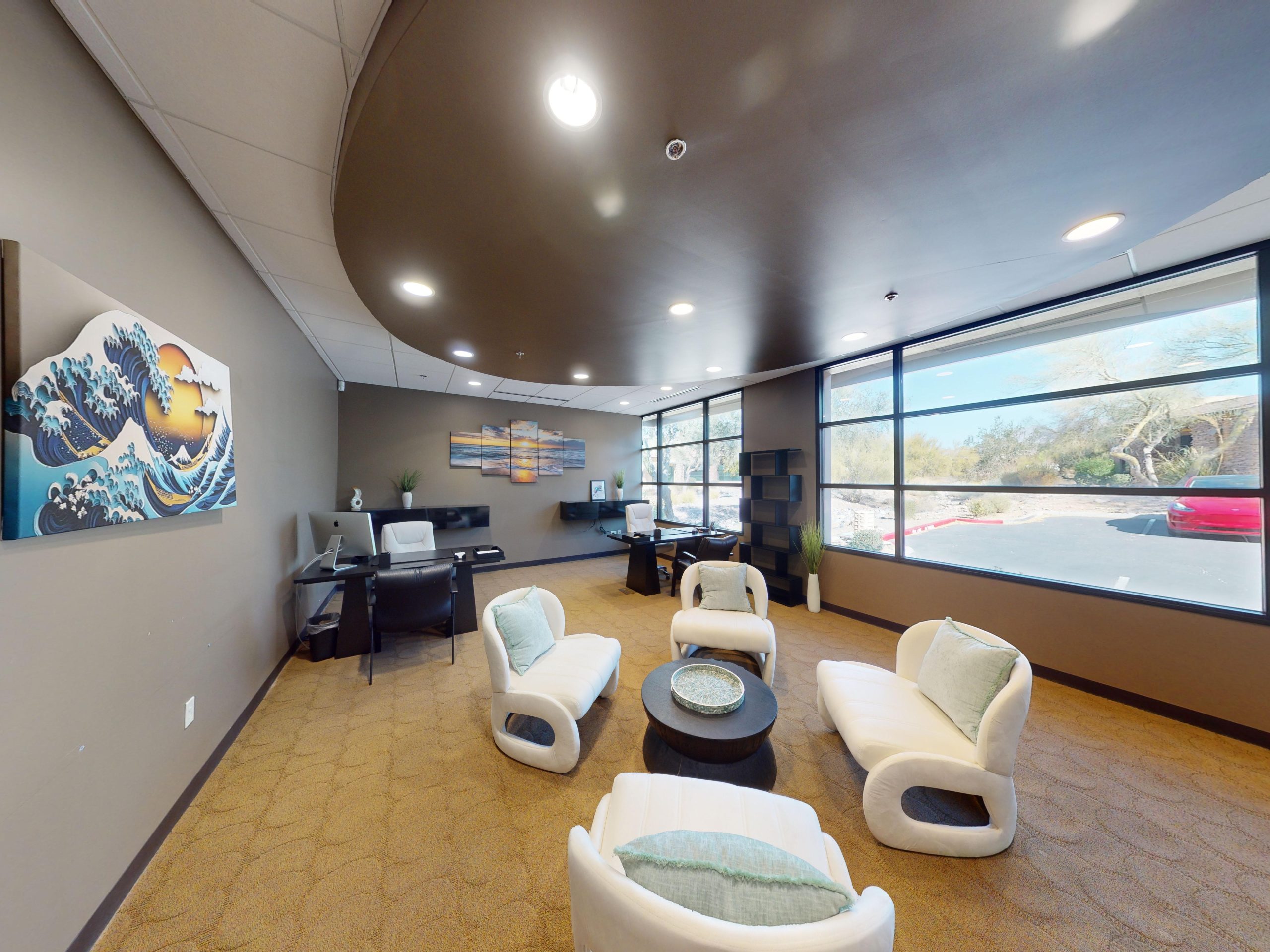
Recovery Process
01

Receive the Details

The process is quite simple and transparent. You will receive the details about the program, how admission happens, and our treatment approach. We will also explain what daily care may look like and who will be involved in your teen’s support team.

02

Pre-Admission Stage

After orientation, we move into the assessment and pre-admission stage. This is where our clinical team takes time to understand your teen as a whole person, not just a set of symptoms. We review medical history, past treatment, current medications (if any), and relevant cultural or family factors. We also try to understand mood, thinking patterns, behavior, and other needs.

03

Parents Input

Your input matters a lot during this step. Parents often notice patterns that teens cannot fully describe yet, like changes in sleep, school stress, social withdrawal, or risk-taking. Your perspective helps us form a more accurate picture, which improves our decision-making.

04

Individualized Plan

Once we complete the assessment, we use the results to build a structured, individualized treatment plan. This plan guides which therapy to be utilized, skill-building, family involvement, and any medication treatment that may be needed, with clear goals we can measure over time.

05

Start Your Treatment

If your teen is accepted, the admission process begins. We will walk you through each step, including paperwork, insurance coordination, documentation, what to pack, and what your teen can expect on day one.

What a Typical Day in Our Teen Residential Rehab Looks Like

Every teen’s day can look a little different, but here is an overview of what a typical day may look like:

check

The day begins with wake-up and shower time, followed by breakfast. Teens then move into the routine, followed by meditation.

check

This early routine helps them settle their bodies and minds, build healthy habits, and prepare for the day ahead.

check

After that, we gather for intention setting, where each teen takes a moment to focus on goals and start the day with purpose.

check

Then teens participate in a range of structured activities, such as recreational therapies. The therapies are designed to support their emotional insight, reduce stress, and strengthen coping skills in a safe setting. Now, many a time, teens feel hesitant at first, and that is completely normal. Our staff is trained to work with resistance by building rapport, identifying their motivation, and creating safety. We do not force compliance. We build trust and encourage participation through consistent support. Over time, this helps teens feel more comfortable, and the setting becomes disarming in a healthy way, so they can open up and participate in the sessions.

check

Lunch is then prepared by our culinary team, with careful attention to each teen’s dietary restrictions. The team is informed of individual needs and prepares special meals when needed, so your teen can maintain a healthy, balanced diet during their stay.

check

After lunch, the afternoon continues with a group therapy session alongside other therapies, giving teens a guided space to connect, share, and grow.

check

From there, the focus shifts to education and life skills. Teens work on their academic progress and homework that supports success in their academics after the transition.

check

After some downtime in their rooms, teens then come together for dinner, followed by phone calls with families and journaling.

check

The day ends with daily gratitude to help teens reflect, recognize progress, and settle into a calmer mindset.

Supportive environment

Take a Tour of Our Facility

Our Teen Male Treatment
Facility

A Virtual Tour of Nexus Teen Academy: Oak

Our Teen Female Treatment
Facility

A Virtual Tour of Nexus Teen Academy: Mesquite

Our Teen Outpatient Treatment Facility

A Virtual Tour of Nexus Teen Academy: Willow

Why Nexus Teen Academy Is the Right Choice for Your Addicted Teen

Because at Nexus, our residential treatment program provides precisely what your teen’s condition needs.

Meet Our Licensed Professionals

Hear From Parents Of Teens Who Have Been There

Maintain Your Progress With Right Aftercare Support

Recovery is an ongoing process, not something that ends when residential treatment is complete. While finishing care is a meaningful milestone, continuing progress depends on what happens next. Returning home can bring old triggers, emotional strain, and pressure that may increase the risk of relapse. Our aftercare plan is designed to make that transition safer and more manageable by giving your teen the continued guidance, realistic expectations, and a dependable support system. This may include sober living arrangements, referrals to sponsors and peer support groups, help securing an MAT provider, and strategies to manage cravings, stress, and daily challenges.

hands icon

Take the First Step, We’ll Guide the Rest

Fill out the form, and our admissions specialist will follow up with you.

Need Recovery Help? Contact Us

Directions to Nexus Teen Academy from Winslow, AZ

Q&A logo

Frequently Asked Questions

There are certain signs that you can look for. High staff turnover, no accreditation, or relying on medication dosages instead of therapy can point to poor quality care. You should also be cautious if the facility seems more interested in revenue than your teen’s well-being.

Begin with care fundamentals, the therapies used, therapists’ qualifications, and emergency protocols. From there, ask how they include families and what aftercare support your teen will have after discharge. You should also ask if they have any sustainable results for the public. Lastly, ask which respected organizations they are licensed or accredited with in the field. For example, Nexus Teen Academy is licensed by the ADHS.

At this time, we do not offer scholarship funds. However, if your insurance does not cover treatment, we may be able to arrange an SCA, which stands for Single Case Agreement. An SCA is a case-by-case agreement between a healthcare provider, such as a rehab facility, and an insurance company. It can allow a client to receive care at a facility that is normally out of network while still using the client’s insurance benefits. These agreements are negotiated on a case-by-case basis.

The treatment at Nexus Teen Academy is highly individualized, so the length of the program depends on each teen’s needs and circumstances. On average, the length of stay is about 30 to 60 days.

In our residential rehab, teens learn various types of life skills like managing stress, problem-solving, self-care, communication, and financial skills. Likewise, they also learn how to stay organized, think ahead, and follow through on plans. This combination helps them feel more confident and capable when they get back to their school, family, and community life.

We have trained staff members who supervise each teen 24/7 and respond quickly when support is needed. At the same time, we rely on structured rules and procedures that support safety and help maintain a positive & safe living environment.

Our Ivy League-educated teacher helps teens in managing their coursework and keeps families updated on progress during their time in our care. Besides this, we also coordinate with the teen’s school and follow the school board’s decisions on their leave of absence, helping make the transition back to school after treatment feel easy.

Yes. We do allow parents to visit, tour the facility, and meet members of our treatment team.

The importance of this question is easy to miss, but it affects safety and outcomes. Many rehabs do not have stringent admissions criteria. In those situations, teens may be exposed, frequently and unnecessarily, to peers who introduce destructive behaviors and dangers. That’s why at Nexus Teen Academy, we rely on a thorough screening process to make sure each teen accepted is an appropriate fit for our environment.

At Nexus Teen Academy, the treatment is led by our team of highly qualified professionals who have spent their careers treating substance abuse and mental health disorders in teens. The clinical staff includes psychiatrists, clinical psychologists, addiction specialists, and licensed therapists.

At Nexus Teen Academy, your teen’s privacy is treated as a core part of care. We follow the highest ethical standards and comply with federal and state privacy laws that protect health information. We also follow rules for substance use disorder patient records, including 42 U.S.C. § 290dd–2 and 42 C.F.R. Part 2, the Confidentiality of Substance Use Disorder Patient Records (“Part 2”), in addition to HIPAA and applicable state law.

Client information is kept in secure systems and is shared only with authorized personnel when needed for treatment purposes. The law also requires us to provide you with a copy of this Notice and to notify you if your unsecured health information is breached. We will obtain written authorization before we use or disclose your health information, unless an exception under applicable law permits disclosure without authorization.