Nexus Academy | Personalized Drug & Alcohol Rehab

Joint Commission Accredited Tempe, AZ Residential Treatment Center for Teens

Nexus Teen Academy's Teen Mental Health Arizona

Nexus Teen Academy

NEXUS TEEN ACADEMY MISSION

Trusted Residential Treatment for Tempe, AZ Teens

As a parent, you dream of seeing your teenager blossom into a happy, confident young adult. However, sometimes, life throws curveballs, and you might worry about their mental well-being.

The truth is that many teens face challenges like mood swings, having bloodshot eyes, frequent nosebleeds, getting bullied, doing self-harm, getting anxious, eating disorders, poor hygiene, lack of motivation, or emotional outbursts. Feeling overwhelmed and wondering if you have done something wrong is completely normal. We assure you that you are not alone here at Nexus Teen Academy, If you are looking for a place to send a defiant teenager, give our team a call.

Our team at Nexus Teen Academy, comprised of experienced clinical therapists and counselors, deeply empathizes with the rollercoaster of emotions that come with raising a teenager. We have witnessed firsthand how these struggles can impact the entire family, and we are here to support you every step of the way.

At Nexus Teen Academy, we understand that every teenager is unique. We offer a comprehensive teen residential treatment program that usually lasts 30 to 60 days and is specifically designed for teenagers (ages 13 to 17). We begin by working closely with your teen to create a personalized assessment of their needs. Then, we utilize proven, evidence-based treatment methods to equip them with healthy coping skills and emotional regulation strategies.

The best part? Our residential program does not stop with your teen. We believe in the power of family support. We offer therapy sessions designed to help you understand your teen’s journey and learn ways to communicate effectively. This holistic approach fosters healing and empowers families to move forward with hope and resilience.

If you notice any changes or symptoms in your teen’s mood, sleep patterns, or behavior, please do not hesitate to call us at (480) 764-1168 to learn more about our therapeutic modalities, which include cognitive-behavioral therapy, dialectical behavior therapy, and family therapy. These modalities are part of our evidence-based residential treatment program (as our center is licensed by the Arizona Department of Health Services) for Tempe, teenagers. Talking openly and supportively is a great first step.

Trapped in Silence: Why Tempe Teens Need Help, Now

At Nexus Teen Academy, we want to create a welcoming space where Tempe teenagers can heal, families can grow closer, and everyone feels like part of a big, wonderful family. Nexus is not just our name; we promise to be a connecting point for support, learning, and unity.

N

Nurturing empowerment

E

Enhancing individual potential

X

X-traordinary support system

U

United as a community

S

Safe space for understanding

an icon representing PTSD

PTSD

Post-traumatic Stress Disorder can affect teens who have experienced or witnessed traumatic events. It can lead to flashbacks, nightmares, and severe anxiety.

an icon representing trauma

Trauma

Traumatic events in teens can cause overwhelming anxiety or distress and include experiencing, witnessing, or being confronted with physical, verbal, and emotional abuse or another event that involves actual or threatened death or serious injury to oneself or someone else. When fight, flight, or freeze are triggered, the body responds to the perceived threat by sending more blood and oxygen to vital organs, which can result in increased heart rate, nausea, clammy hands, blurred vision, and/or feeling spacey, to name a few trauma reactions.

an icon representing teen self-harm

Teen Self-Harm

Adolescent self-harming behaviors are often a coping mechanism for teens grappling with emotional distress. Our experienced clinical team will help discover the root causes and guide your teenager in developing long-term emotional well-being and happiness strategies.

an icon representing anxiety

Anxiety

Anxiety disorders in teens can cause excessive worry and fear, impacting daily life. Our treatment strategies offer residents space to process, investigate triggers, and establish tools to manage anxiety and build resilience.

an icon representing suicidal thoughts

Suicidal Thoughts

Suicidal ideation in teens can be scary for both the person experiencing those thoughts and their family. Beyond monitoring your teen's behavior, it is not uncommon to feel at a loss about how to support your child. Our clinical staff will provide your loved one with the compassion and 24/7 care this critical situation requires.

an icon representing depression

Depression

Teen depression is a common mental health condition that can affect how your teenager thinks, acts, and behaves. While depression can occur at any age, symptoms vary in adolescents. In teens, symptoms can be chronic irritability, a lack of interest in activities, and a persistent feeling of sadness.

an icon representing low self worth

Low Self-worth

Low self-worth can hinder a teen's growth and ability to create secure relationships. Our program uses trauma-informed modalities to address teenager's low self-worth. We work together to help them heal those wounds and start establishing tools to support them in creating a healthier self-perception.

an icon representing bipolar disorder

Mood and Behavior Disorders

Teens who are chronically acting out, demonstrating aggressive behaviors, or chronically irritable moods may be suffering from Disruptive Mood Deregulation Disorder, Dysthymia, Oppositional Defiant Disorder(s), or other Mood Disorders. At Nexus Teen Academy, teens who chronically challenge authority, fight with peers or family members, or demonstrate explosive moods will get the support they need.

teen adhd icon

ADHD/Impulse Control

A teen with ADHD might have trouble staying on task. They may start on a project only to start five others before finishing. Being easily distracted can lead to stress, anxiety, and careless mistakes at school and home. At Nexus, inattention, restlessness, and impulsivity that continue to cause issues at home or school will be addressed.

an icon representing teen psychotic disorders

Psychotic Disorders

Teens with psychotic disorders may experience hallucinations or delusions. We have specialized treatment plans that provide the necessary support for managing these challenges.

an icon representing personality disorders

Personality Disorders

Personality disorders can disrupt a teen's sense of self and relationships. Learn about our therapeutic techniques to help teens navigate and conquer these complex issues.

an icon representing mood swings

Mood Swings & Anger

Teens often struggle with mood swings and anger issues. Find out how our programs teach teens healthy ways to express their emotions and improve interpersonal relationships.

teen residential treatment insurance

We Accept Most PPO and Private Health Insurance Plans

Insurance may cover up to 100% of your teenager’s treatment costs. We unfortunately don’t work with AHCCCS. You can confidentially verify your insurance benefits here online.

We work with most major insurance providers. You can confidentially check to see if your treatment is covered by insurance. Our admission experts are here to guide you through the process.

Beacon insurance logo
Aetna logo
Cigna logo
Geha logo
a call now icon

Call Now

Our admissions specialists and clinical team are here to answer your questions.
calendar icon

Schedule a Consultation

Schedule a confidential conversation with our team to discuss the next important step for your family.

What to Expect, and How To Get Started in 5 Easy Steps

As a parent, knowing what to expect during the residential treatment program can ease worry and help you support your teen through the same fears and questions.
Recovery Process
01

Receive the Details

The process is quite simple and transparent. You will receive the details about the program, how admission happens, and our treatment approach. We will also explain what daily care may look like and who will be involved in your teen's support team.

02

Pre-Admission Stage

After orientation, we move into the assessment and pre-admission stage. This is where our clinical team takes time to understand your teen as a whole person, not just a set of symptoms. We review medical history, past treatment, current medications (if any), and relevant cultural or family factors. We also try to understand mood, thinking patterns, behavior, and needs.

03

Parents Input

Your input matters a lot during this step. Parents often notice patterns that teens cannot fully describe yet, like changes in sleep, school stress, social withdrawal, or risk-taking. Your perspective helps us form a more accurate picture, which improves our decision-making.

04

Individualized Plan

Once we complete the assessment, we use the results to build a structured, individualized treatment plan. This plan guides which therapy to be utilized, skill-building, family involvement, and any medication treatment that may be needed, with clear goals we can measure over time.

05

Start Your Treatment

If your teen is accepted, the admission process begins. We will walk you through each step, including paperwork, insurance coordination, documentation, what to pack, and what your teen can expect on day one.


Meet Tempe’s Most Trusted Residential Rehab Team

Resources For Parents of Teens Facing Substance Abuse:

Helping A Teen Who is Using Drugs
TED Talk from a parent

Serving Teens in Arizona

Q&A logo

FAQs About Nexus Teen Treatment Program

The length of the program is tailored to meet the specific requirements of your teenager. But it typically lasts 30 to 60 days. Our treatment approach is rooted in evidence-based practices, and we conduct weekly evaluations to assess your teen’s progress. Our primary goal is to equip your teenager with the essential skills necessary for long-lasting success, not just temporary victories.

We will move as fast as we can to help your family. If everything moves smoothly, we can admit your teenager within a few days.

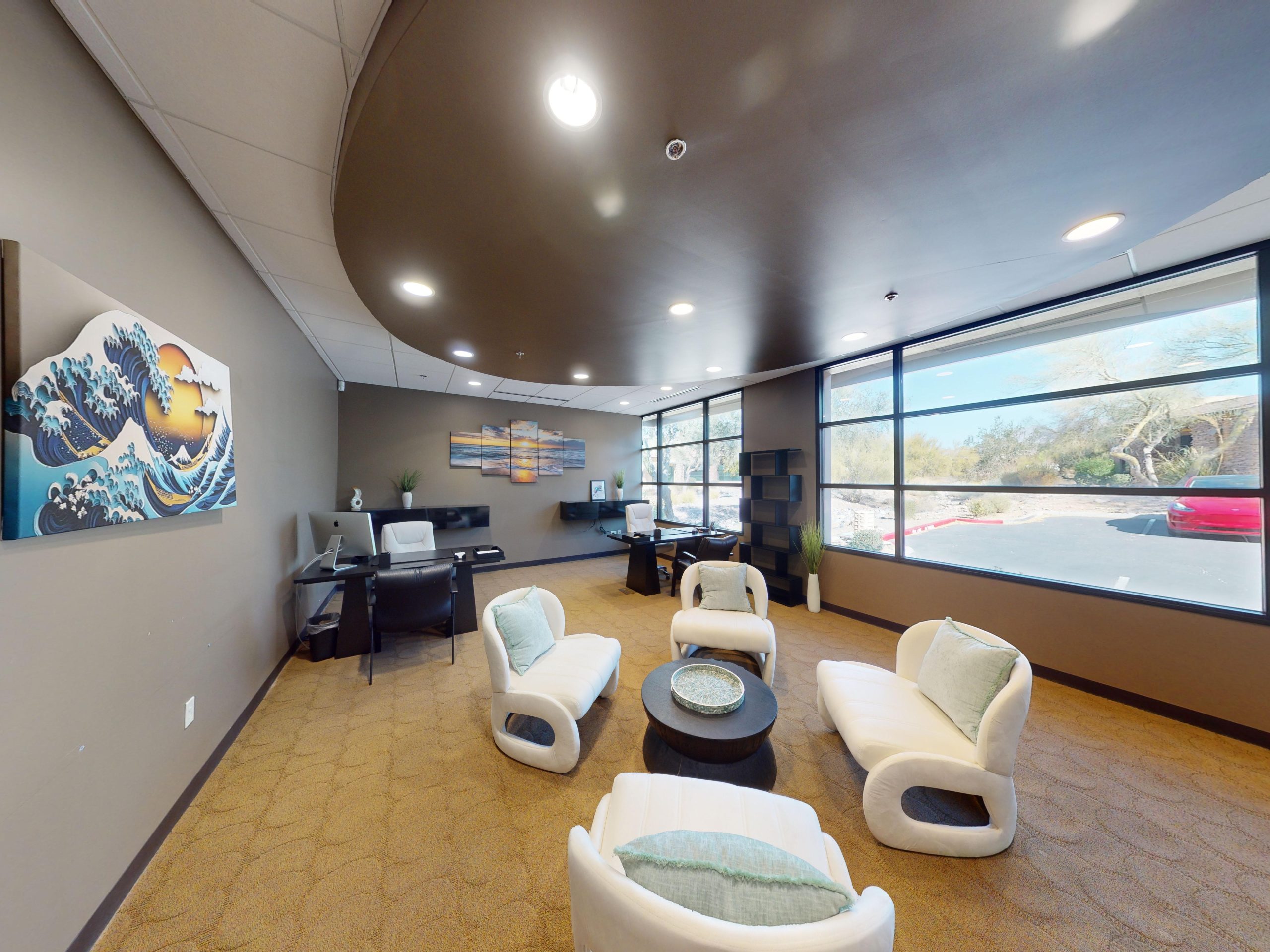
Unfortunately, due to ongoing COVID precautions and HIPAA regulations, we do not open the house to tours prior to admission. However, we do offer extensive resources to help you make an informed decision. We are, however, able to give families a sense of our Nexus community and house ethos through virtual tours, photos, and conversations with clinical, medical, and educational leadership.

  • Teen Anxiety
  • PTSD/trauma
  • Teen Depression
  • Suicidal Ideation/Self-Harm
  • Obsessive Compulsive Disorder
  • Teenage Substance Use Disorder
  • Parent-Child attachment wounds
  • Phobias
  • Social Anxiety
  • ADHD
  • Bipolar Opioid-related disorders
  • Stimulant-related disorders
  • Impulse Control
  • Oppositional Defiance Disorder

At Nexus Teen Academy, we have a unique approach to academics while in treatment. We believe each resident in our care is here, first and foremost, to improve their mental health by adhering to their clinical goals. We also, however, believe that it is often not in a teenager’s best interest to be in residential treatment without continuing to progress academically. After all, school will continue to be their primary job into the foreseeable future. This is why we have a dedicated Ivy League-educated teacher who supervises each teen’s coursework, corresponds with families about their progress, and helps them develop and maintain study and Executive Functioning skills to support them in school and beyond.

Nexus Teen Academy’s clinical team wants residents’ time with us to be free from distractions that may have been contributing factors in their need for treatment. For this reason, we would like to ask that all personal devices stay at home. We do have game rooms with PS5s that are loaded with age-appropriate games, computers for schooling, and tablets for video calls to those on their approved contact list.

We always have staff available to take your call or get back to you immediately in the event of an emergency. At intake, you are given an Emergency and Non-Emergency phone number.

Yes! We believe it is imperative for all residents to have an opportunity to move their bodies during treatment. We offer stationary cardio equipment, weights, group exercise classes, and more. Additionally, your teen will not just be sitting in rooms processing feelings; we often get out into the serene nature surrounding our property for therapeutic groups and individual therapy sessions.

Yes, we do accept most major private pay insurance plans. We unfortunately don’t accept AHCCCS or Medicare/Medicaid.

Yes! It’s a requirement. Our program is extremely family-focused. A major part of our ethos is ensuring your teen goes home after treatment in a healthy and positive situation. That involves quite a lot of involvement from the family, including family therapy sessions.

We understand the sensitivity and often urgency that comes with deciding to admit a loved one to treatment. This is why we are committed to returning all admissions calls within 24 hours. If you, for some reason, don’t hear from us within that time frame, please do not hesitate to call the Admissions line again.

While the specific nature of each resident’s treatment is customized, a few elements remain the same. Every teen in treatment receives guidance from a passionate and well-qualified team that includes an adolescent psychiatrist, an individual therapist, a family therapist, a medical team of doctors, nurses, and medical assistants, academic supervision, a dietitian-vetted menu prepared by our executive chef, and our family manager dedicated to supporting your transition from our care back into day-to-day life.

Of course! After each resident’s initial orientation period, they will be able to call you during designated hours most days of the week. Family engagement in treatment is expected. Each Saturday, there is a weekly family visitation and a weekly parent empowerment group.

Our family therapist will contact you by phone or video (whichever is best for you). The rest of the team will primarily communicate with families through our electronic medical records system, KIPU.

Yes, Nexus Teen Academy serves all genders. All common spaces, including the living room, kitchen, game rooms, dining, and education, are co-ed. The bedrooms and bathrooms are separated by gender identity. If you prefer your teen not to share a room, we have a private room available at an additional cost.

No, we adhere to Arizona’s state law that no minor under the age of 18 can legally smoke or vape. Our properties are smoke-free zones.