

Teen Mental Health Treatment in Arizona

Residential treatment for teen trauma & PTSD near Glendale, AZ.

For Glendale families, the West Valley is well within reach of the right care. Nexus Teen Academy provides full-time, trauma-focused residential care for adolescents 12 to 17 at two accredited campuses across the Valley, in North Scottsdale and Cave Creek.

Talk with a licensed counselor

Wherever in Arizona you're calling from, share where to reach you and a licensed admissions counselor calls back, usually within minutes. We'll talk through fit, coverage, and next steps. No pressure.

Licensed in Arizona. Accredited nationally. Independently verified.

Every credential is independently verifiable. Joint Commission · AZDHS registry · LegitScript.

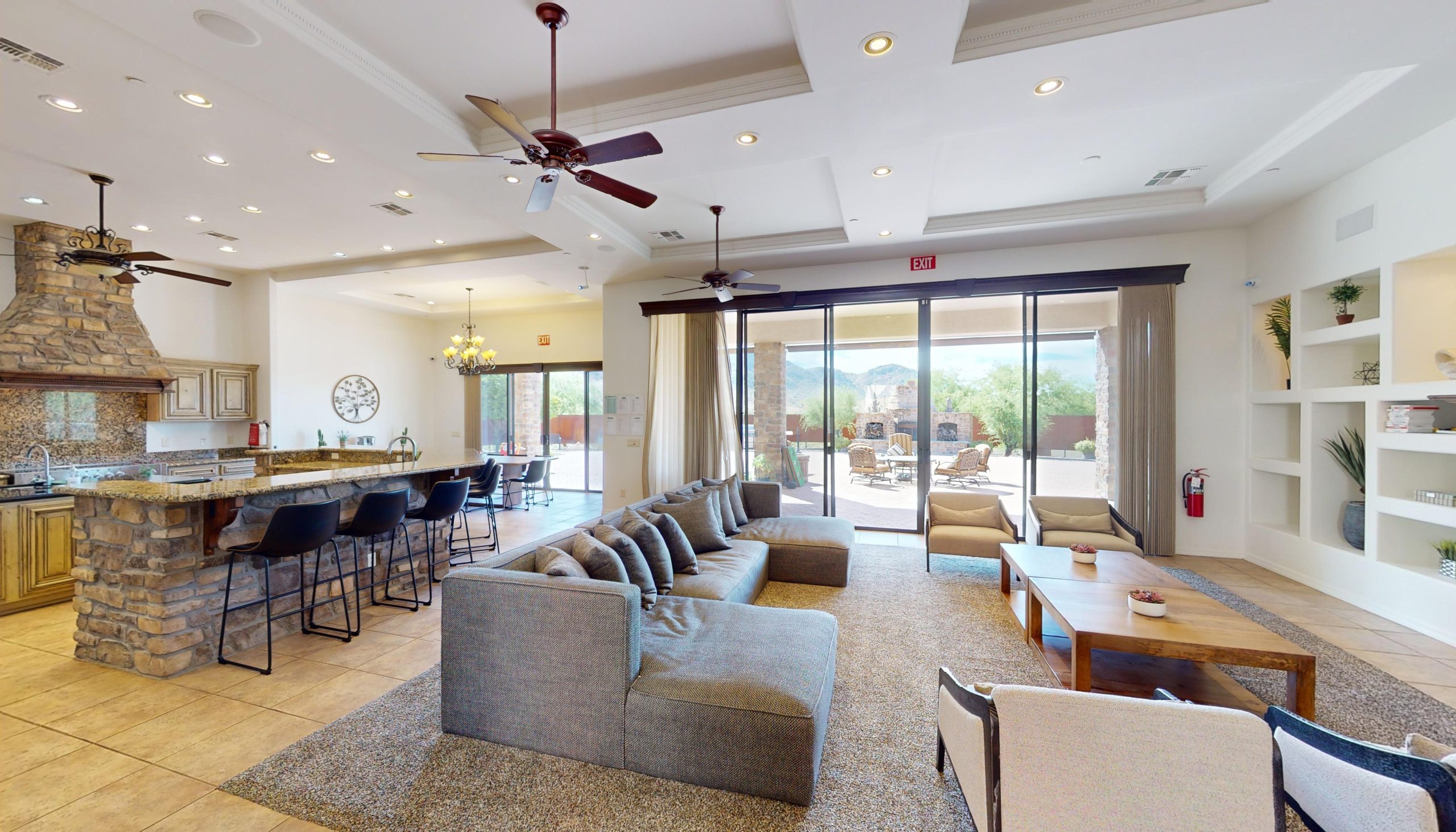
Home-like living area at a Nexus Teen Academy residence in Arizona
Backyard and mountain views at a Nexus Teen Academy Arizona campus
The Joint Commission National Quality Approval Gold SealJoint Commission accreditedAZDHS-licensed · LegitScript certified
Both campuses sit in the Phoenix metroNorth Scottsdale & Cave Creek, accepting families from Tucson, Flagstaff, Yuma and Prescott.

About Nexus Teen Academy

Nexus Teen Academy: accredited teen trauma & PTSD treatment for Glendale families.

Nexus Teen Academy is a licensed, Joint Commission-accredited teen trauma & PTSD provider serving Glendale and the West Valley, for teens 12 to 17.

Two gender-separate residences on the north-east side of the Valley, North Scottsdale (boys) and Cave Creek (girls), deliver clinician-led, UCLA PTSD Reaction Index-measured care, the subacute level between outpatient therapy and hospitalization. AZDHS-licensed, Joint Commission accredited, and LegitScript certified.

North Scottsdale

Boys, 12–17 · Phoenix metro

Cave Creek

Girls, 12–17 · Phoenix metro

2

Accredited Arizona campuses

12–17

Ages we treat, gender-separate

24/7

Awake clinical staff, every hour

1:1

A primary therapist, by name

Where residential care fits

The subacute level between weekly therapy and a hospital bed.

Step downOutpatient & IOP

Therapy once or a few times a week. Your teen stays home and at school.

Nexus Teen AcademyResidential treatment

Live-in clinical care with 24/7 awake staff, daily therapy, and accredited school, in a real home.

You are here
Step upInpatient hospitalization

Short-term acute stabilization for immediate medical or safety crisis.

Not sure which level your teen needs? A licensed counselor will walk through it with you on the phone, free, and tell you honestly if a lower level of care is the better fit.

Speak with our admissions team

The program

What our teen trauma treatment program includes.

Every teen from Glendale and the West Valley receives the same complete, evidence-based trauma program, sequenced in phases, safety and stabilization first, trauma processing second, reintegration third.

Trauma-informed psychiatric evaluation

A DSM-5 diagnostic workup covering trauma history, PTSD symptoms, and every co-occurring condition, completed before goals are written.

Phase-based treatment plan

Stabilization goals come first, trauma-processing goals second, and the plan is shared with your family and updated as each phase completes.

TF-CBT and EMDR

Trauma-focused cognitive behavioral therapy, the leading evidence-based treatment for pediatric PTSD, plus EMDR (reprocessing) where indicated.

DBT skills and peer groups

Grounding, distress tolerance, and emotion-regulation skills practiced in small groups beside peers who carry similar histories.

Weekly family therapy

In person or by secure video, families learn trauma-informed responses, what helps, what re-triggers, and how to rebuild trust at home.

Psychiatric and medication care

Where medication supports recovery, commonly an SSRI for PTSD symptoms or sleep, the prescriber explains the evidence and monitors response.

Accredited academics

School continues on-site with transferable credits, delivered at a trauma-sensitive pace that rebuilds concentration and confidence.

Discharge and relapse-prevention plan

A written continuing-care map: trigger management, local trauma therapists, school re-entry steps, and crisis contacts that answer around the clock.

Dual-diagnosis care

Conditions we treat: PTSD, complex trauma, and the conditions they set off.

Trauma rarely stays contained. By the time a Glendale family is weighing residential care, PTSD has usually pulled in depression, anxiety, self-harm, or substance use as coping.

Treating each thread in isolation is why many teens cycle through program after program.Nexus Teen Academy brings one clinical team and one integrated plan to the trauma and every condition it triggered. This level of care is known as dual-diagnosis care, delivered in a single Arizona residence.

The setting

See inside our Arizona teen residential home.

Two gender-separate residences in the Phoenix metro, the boys’ home in North Scottsdale and the girls’ home about 20 minutes north in Cave Creek. Both are licensed, home-like residential settings built for comfort, safety, and 24/7 supervision.

Take a self-guided 3D walkthrough of the home

Life inside

A typical day in teen residential treatment.

Structure is part of the treatment. Every day at both Arizona campuses follows the same rhythm, school, therapy, movement, meals, sleep, so your teen always knows what comes next.

MorningAfternoonEvening
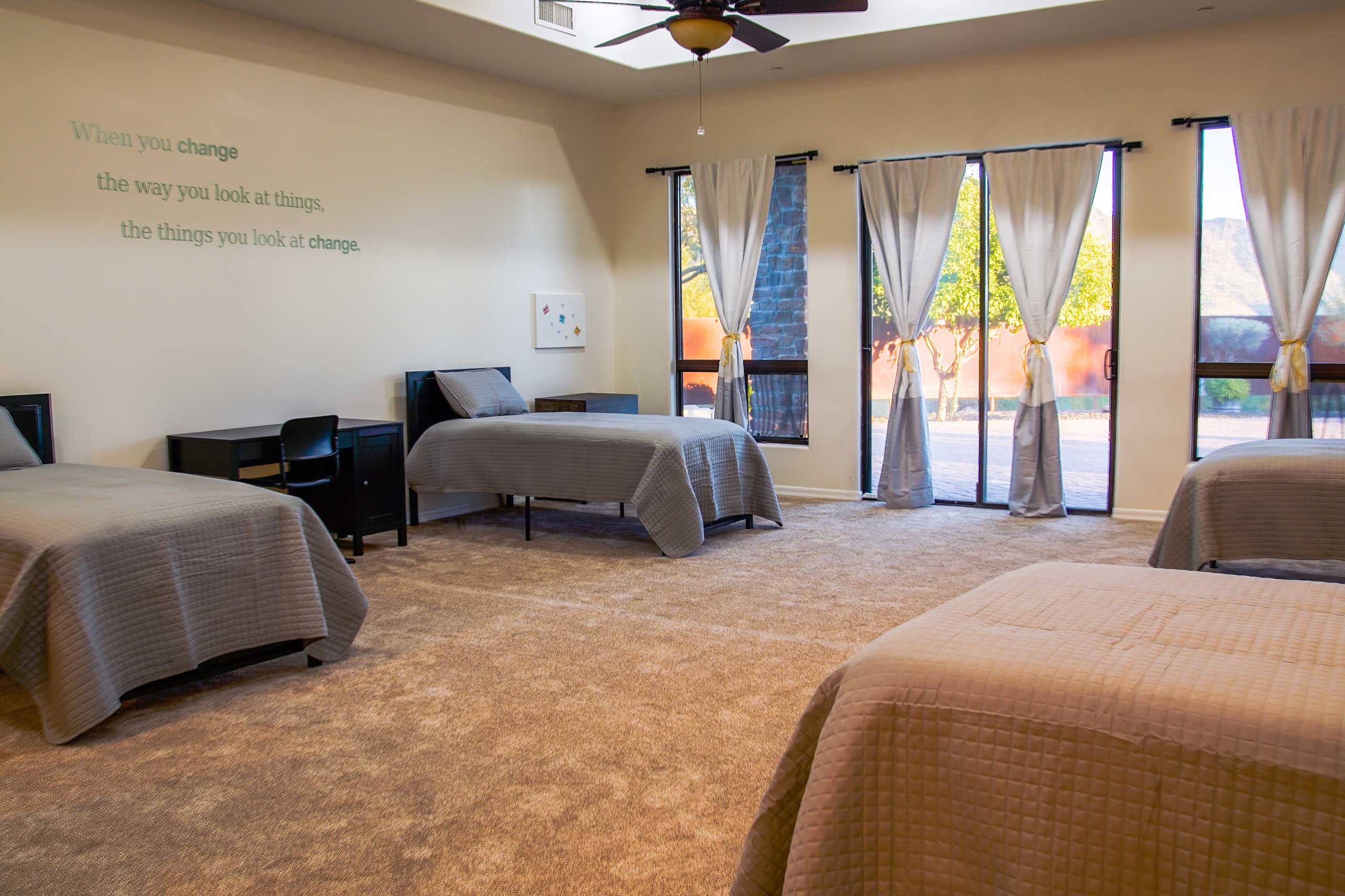
A teen bedroom filled with natural morning light at a Nexus Teen Academy Arizona residence7:30a
Morning

Wake, breakfast & check-in

An unvarying start, because sameness signals safety, plus a brief check-in on sleep and symptoms.

The on-site accredited classroom at a Nexus Teen Academy Arizona campus9:00a
Morning

Accredited school

Compact, quiet classes that rebuild academic stamina, with every credit transferring home.

Teens in a group therapy session with a clinician at Nexus Teen Academy11:00a
Morning

Individual & group therapy

TF-CBT and EMDR sessions, plus DBT skills groups with clinicians your teen already knows.

The recreation room with a ping-pong table at a Nexus Teen Academy Arizona residence2:00p
Afternoon

Experiential & movement

Movement, art, breathwork, and desert air that teach a trauma-wired body to settle.

The shared kitchen and dining room where residents eat together5:30p
Evening

Dinner & community

Family-style meals that rebuild ordinary connection at a pace each teen controls.

The backyard and mountain view at a Nexus Teen Academy Arizona residence in the evening8:30p
Evening

Wind-down & overnight care

A nightmare-aware wind-down, with awake overnight staff so no teen faces the night alone.

Awake clinical staff are on-site every hour, including overnight, at both Arizona campuses.

How healing happens

Evidence-based therapies: TF-CBT, EMDR, DBT, and family therapy.

Nexus Teen Academy coordinates every evidence-based therapy, TF-CBT, EMDR, DBT, and weekly family therapy, into one plan, measured on the UCLA PTSD Reaction Index.

One treatment planOne clinical teamReviewed weeklyMeasured with the UCLA PTSD Reaction Index

Core therapies

A teen in a one-on-one therapy session with a Nexus Teen Academy clinician1

Trauma-focused CBT (TF-CBT)

The teen builds a trauma narrative at a safe, guided pace, correcting the self-blame and danger beliefs the event installed.

Helps withflashbacksself-blame
Teens supporting each other in a DBT skills group2

EMDR reprocessing

Bilateral stimulation helps the brain refile traumatic memories so they lose their present-tense charge.

Helps withintrusive memoriesnightmares
A weekly family therapy session with parents and a clinician3

Family therapy, every week

Caregivers learn trauma-informed parenting, predictability, validation, and co-regulation, and repair the trust trauma damaged.

Helps withrebuilding trust

Supporting care, running alongside

DBT skills & somatic regulation

DBT groups plus breathwork, art, and movement give the body daily practice leaving fight-or-flight.

groundingdistress tolerance

Psychiatric & medication support

Prescribing is conservative and transparent, an SSRI or sleep support only when the evidence favors it, always monitored.

PTSD symptoms and sleep

Accredited academics

Credit-bearing classes continue on campus, with workloads calibrated to a nervous system still learning it is safe.

staying on track to graduate
None of these run separately, they sit in one plan, owned by one clinical team.

Your teen's clinical team

Meet our licensed clinical team.

Every teen works with a named, credentialed clinician and 24/7 nursing. Faces, roles, and licenses are shared before day one.

Alexandria Penner, DNP, PMHNP-BC, Psychiatric Nurse PractitionerDNP, PMHNP-BC

Alexandria Penner

Psychiatric Nurse Practitioner

Licensed in Arizona
Ashley Morton, BSN, RN, nursing and 24/7 medical support24/7 on-siteBSN, RN

Ashley Morton

Nursing · 24/7 medical support

Licensed in Arizona

Medically reviewed by Hannah Carr-Unquera, LPC-16514, BC-TMH · July 2026.Every Nexus Teen Academy clinician is licensed in Arizona. Verify any license on the AZ Board of Behavioral Health Examiners directory.

What families say

What Arizona families say about Nexus Teen Academy.

4.7/ 5

★★★★★34 verified Google reviews · Scottsdale & Cave Creek campuses
Read them all on Google

★★★★★

“Nexus Academy was a wonderful place for my daughter. The staff were amazing and so supportive. They worked with our entire family. Highly recommend Nexus.”
CCarol TrombinoVerified Google review

★★★★★

“Sending your child or teen to a residential treatment facility is a difficult and heart-wrenching decision. The team at Nexus Teen Academy was exceptional. Our daughter’s therapist was a great fit for her and played a significant role in helping us grow as a family.”
Read the full review →
HHemella SweattVerified Google review

★★★★★

“The program at Nexus was a lifesaver for my 15-year-old daughter. After a tough year in and out of different levels of care, my husband and I had truly hit a breaking point and knew a residential facility was needed.”
Read the full review →
SS. H.Verified Google review
31 more reviews on GoogleUnedited, public, and open for any family to add their own.Read every review →

These come straight from our public Google Business Profile, anyone can read all 34 and add their own.

Getting started

How admission works, from first call to first day.

Our promise while you decide

1

One calm call

A licensed Nexus Teen Academy admissions counselor reviews your teen's situation, history, and what you have already tried, then tells you whether residential treatment fits and what the next step is.

2

Coverage check

With your okay, we confirm your benefits straight with your private insurance plan, and translate the result into plain numbers: what is covered, what is not, and a realistic out-of-pocket, before any decision.

3

Clinical assessment

Licensed clinicians assess your teen's history, needs, strengths, and safety, then recommend the appropriate level of care.

4

Plan the arrival

One coordinator manages logistics with you: the packing list, travel into Phoenix, school records for credit transfer, and how the first day will go.

5

A gentle, planned arrival

Your teen meets the clinical team and settles in. Your first family update is scheduled before you leave, and you have direct contact with the team from day one.

Coverage & cost

Does insurance cover teen residential treatment in Arizona?

Residential mental-health treatment is a covered behavioral-health benefit on most major private insurance plans. Nexus Teen Academy accepts most major commercial insurers. Wherever in the state you are, we verify your exact private benefits, in-network or out-of-network, free, confidentially, and usually the same day, then explain any out-of-pocket cost in plain English before you commit.

  1. 1You send your plan detailsTwo required fields. Member ID optional. Takes about a minute.
  2. 2We verify with your insurer directlyIn-network or out-of-network, free and confidential, usually the same day.
  3. 3You get the number in plain EnglishYour exact out-of-pocket cost, explained before you commit to anything.

Out-of-network or unsure about your plan? Call anyway, cost should never be the reason a teen doesn't get help.

Verify your insurance in 2 minutes

See exactly what your plan covers for residential trauma treatment, free, confidential, no obligation.

HIPAA-protectedNo obligationNever sold or shared

After discharge

Aftercare and relapse prevention that follows your teen home.

Before discharge, your Nexus Teen Academy case manager builds the aftercare plan with you: step-down or outpatient care near your community, telehealth continuation, school re-entry with your home district, and a relapse-prevention plan, so progress holds once your teen is back in Tucson, Flagstaff, Prescott, Yuma, or the Valley.

Answers

Teen trauma treatment FAQs

The questions families ask us most, answered plainly, campuses, distance, insurance, licensing, and privacy.

Your question isn’t here?

A licensed admissions counselor can answer it on the phone right now, no script, no pressure, and no obligation to enroll.

Talk to a counselorAnswered 24/7 at (480) 485-3424

Campuses & getting there

Nexus Teen Academy runs two licensed, gender-separate residential homes for teens ages 12 to 17, a boys residence in North Scottsdale and a girls residence in Cave Creek, both in Maricopa County on the north edge of the Phoenix metro. For most Glendale families that is the nearest residential treatment for teen trauma and PTSD, and both campuses sit within a half-day drive of nearly every town in the state.

Both homes sit in the Scottsdale and Cave Creek area of Maricopa County. Figure about two hours up I-10 from Tucson, roughly two and a half down I-17 from Flagstaff, ninety minutes from Prescott, and about three hours along I-8 from Yuma, with out-of-state families arriving through Phoenix Sky Harbor.

Yes. Teens come to Nexus Teen Academy from every corner of Arizona, Tucson, Flagstaff, Prescott, Yuma, Sierra Vista, and Lake Havasu City among them, as well as from out of state. When the drive is long, weekly family therapy runs by secure video so distance never interrupts care.

Family is part of the treatment, not a visitor to it. Weekly family therapy happens in person or by encrypted video, and caregivers learn trauma-informed responses, what steadies a teen and what re-triggers them, so home is ready for a healthier return.

Care & cost

Residential care for PTSD and trauma-related conditions is a covered behavioral-health benefit under most major commercial plans. Nexus Teen Academy accepts most private insurance and runs a full benefits check, in-network or out, before you decide anything, at no charge and usually the same day, so the numbers are clear up front.

Both often do. We work with AHCCCS and with most commercial plans, handle the verification and prior authorization for you, and translate coverage into concrete out-of-pocket numbers before any commitment. Out of network? A workable route exists for most families, and checking costs nothing.

Residential trauma care sits between weekly therapy and hospitalization. It becomes the right level when PTSD symptoms dominate daily life, when nightmares, flashbacks, dissociation, or self-harm raise safety concerns, or when outpatient trauma therapy has stalled and a teen needs daily, structured support to move forward.

The program is built on trauma-focused cognitive behavioral therapy (TF-CBT), the strongest-evidence treatment for adolescent PTSD, delivered daily alongside EMDR where indicated, DBT skills groups, weekly family therapy, and conservative, transparent psychiatric care, all coordinated in one plan and tracked on the UCLA PTSD Reaction Index.

Most teens stay between 30 and 60 days, though the clinical team sets the length around each teen's trauma history and progress rather than a fixed number. Before discharge your case manager assembles a written continuing-care plan: a trauma-trained outpatient therapist near home, a staged school return, and crisis contacts that answer around the clock.

Licensing & privacy

Yes. Each residence is licensed for ages 12 to 17 by the Arizona Department of Health Services, the organization is accredited by The Joint Commission, and it is LegitScript certified. All three credentials verify directly with the issuing bodies, and the links are on this page.

A psychiatric hospital handles short, acute crisis stabilization, often just a few days. Outpatient trauma therapy is an hour or two a week at home. Residential treatment is the middle level, a licensed home with daily trauma therapy, accredited school, and awake overnight staff, that outpatient cannot provide and a hospital is not built to sustain.

Completely. Every conversation, assessment, and record is protected health information under HIPAA, held within the clinical team, and never sold, shared with advertisers, or used for marketing, whether or not your teen enrolls.

The statewide picture

Arizona teen mental health, by the numbers.

Trauma exposure in adolescence is far more common than most parents assume, and a meaningful share of exposed teens develop PTSD. The data below shows why a middle level of care, residential treatment, matters.

Aerial view of a Nexus Teen Academy residential campus in Arizona

3 in 5

of U.S. teens live through at least one traumatic event before they turn 18.

8%

of girls develop PTSD, versus 2.3% of boys.

~5%

of adolescents meet criteria for PTSD at some point in their lives.

4 in 10

high-schoolers report persistent sadness or hopelessness often trauma-driven (CDC, 2023).

Arizona’s 988 and Teen Lifeline lines meet the emergency, but a crisis call is stabilization, not ongoing treatment.

Residential care is the step between outpatient therapy and the hospital, the middle is what has been missing.

Sources: Sources: National Comorbidity Survey Adolescent Supplement (McLaughlin et al., 2013; NIMH); Child Trends analysis of the National Survey of Children's Health (ACEs); CDC Youth Risk Behavior Survey, 2023.

Talk to an Arizona counselor, 24/7

Serving Glendale

Teen trauma treatment for Glendale families, across the Valley.

Both Nexus Teen Academy residences sit across the Valley from Glendale, an accessible drive that keeps accredited residential trauma care within reach for West Valley families.

Across the Valley from the West side

From Glendale, both campuses are an accessible drive across the Valley via Loop 101, usually around an hour depending on traffic.

Telehealth & travel, handled

Secure weekly family telehealth for families outside the metro, plus help planning the drive or the flight into Phoenix Sky Harbor, so distance never means dropping out of treatment.

Aftercare mapped to your community

Step-down and outpatient care lined up near home before discharge, plus school re-entry coordinated with Glendale Union or your own district.

Nexus Teen Academy, Scottsdale · boys’ residence

8611 E Cholla St, Scottsdale, AZ 85260

Admissions 24/7

Nexus Teen Academy, Cave Creek · girls’ residence

2695 E Saddle Mountain Rd, Cave Creek, AZ 85331

Admissions 24/7

See a campus on the map

Tap Cave Creek or Scottsdale below to load its interactive map right here.

Google Maps loads only when you choose, so nothing is shared with Google before you opt in.

Explore each Nexus Teen Academy location

Scottsdale (boys)

North Scottsdale, 85260 · off Loop 101

Cave Creek (girls)

Saddle Mountain Rd, 85331 · 20 min north

Phoenix metro

Served from both campuses

Yuma & SW Arizona

Travel, telehealth & aftercare